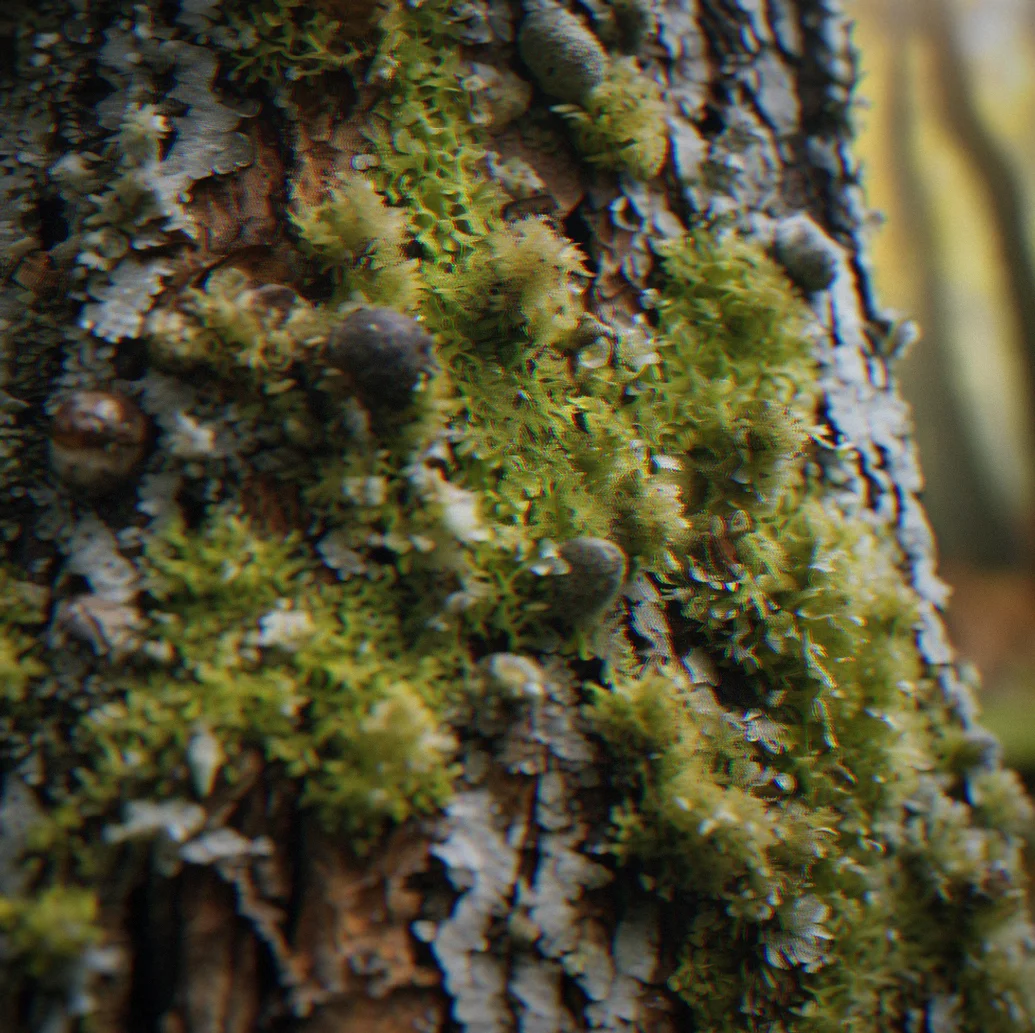
This is what you see at 2km/hour.

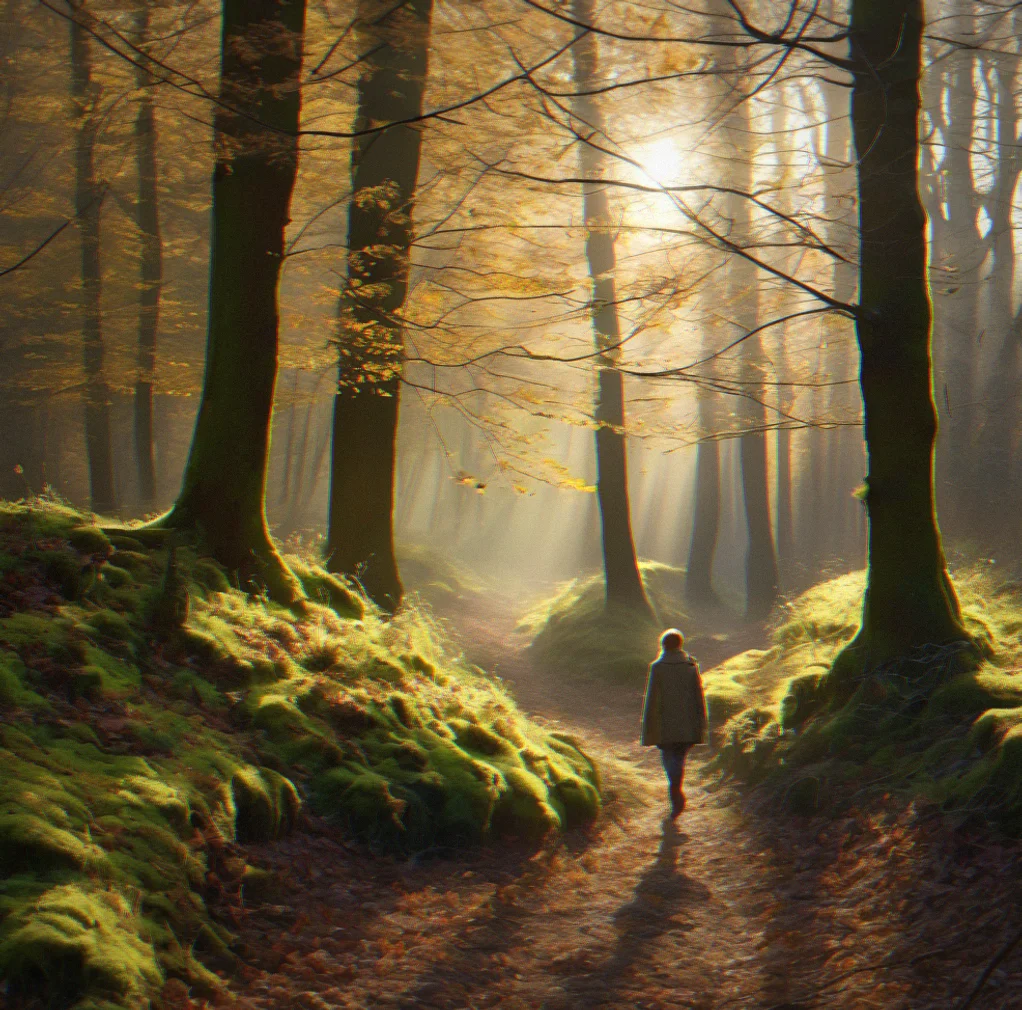
Slow living.
Routines that ask nothing except attention.
We're taught productivity all wrong. The rushing, the endless optimizing, always Reaching for the next thing—it just wears you out. Simplefield isn't some system you have to master or a stack of habits to build up. It's actually going back to what helps people feel grounded: quiet time, really paying attention to what's around you. Forest bathing, early morning walks, watching how the seasons shift. That kind of practice ties you back into rhythms that existed long before we got so caught up in speed.
Every walk is different. Every season shows up differently. These are moments from the routine—the textures, the light, what you notice when you actually slow down.
This is what you see at 2km/hour.
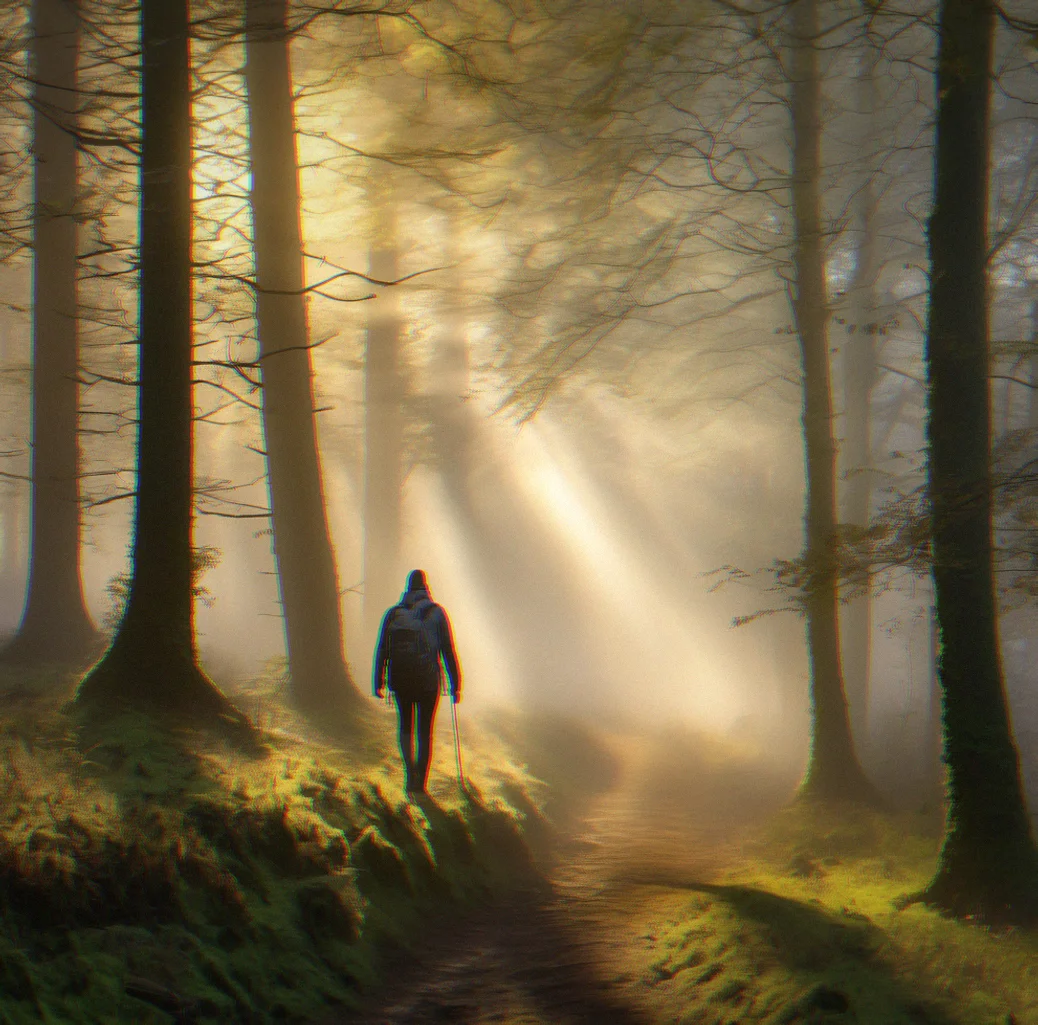
Early walks set the day before it gets away from you.
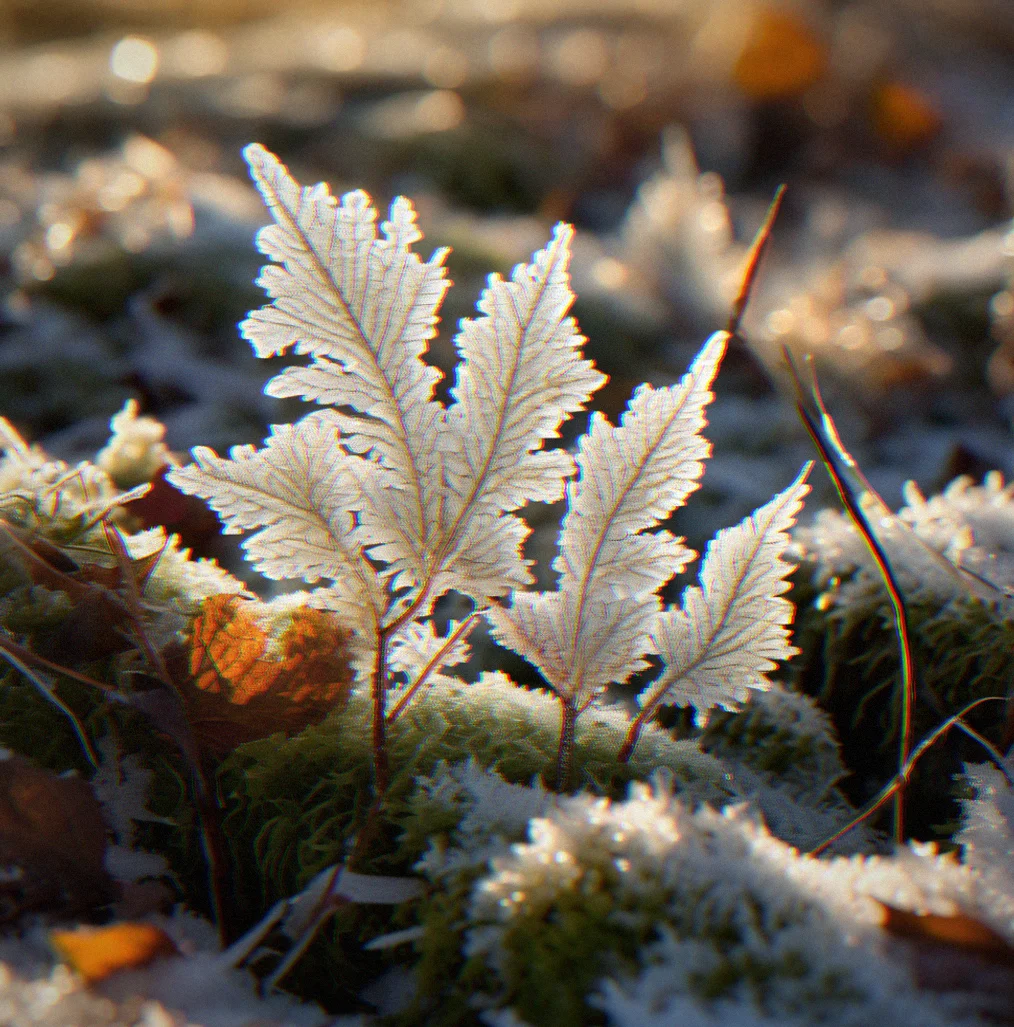
Winter has its own markers. They come back eveery year.
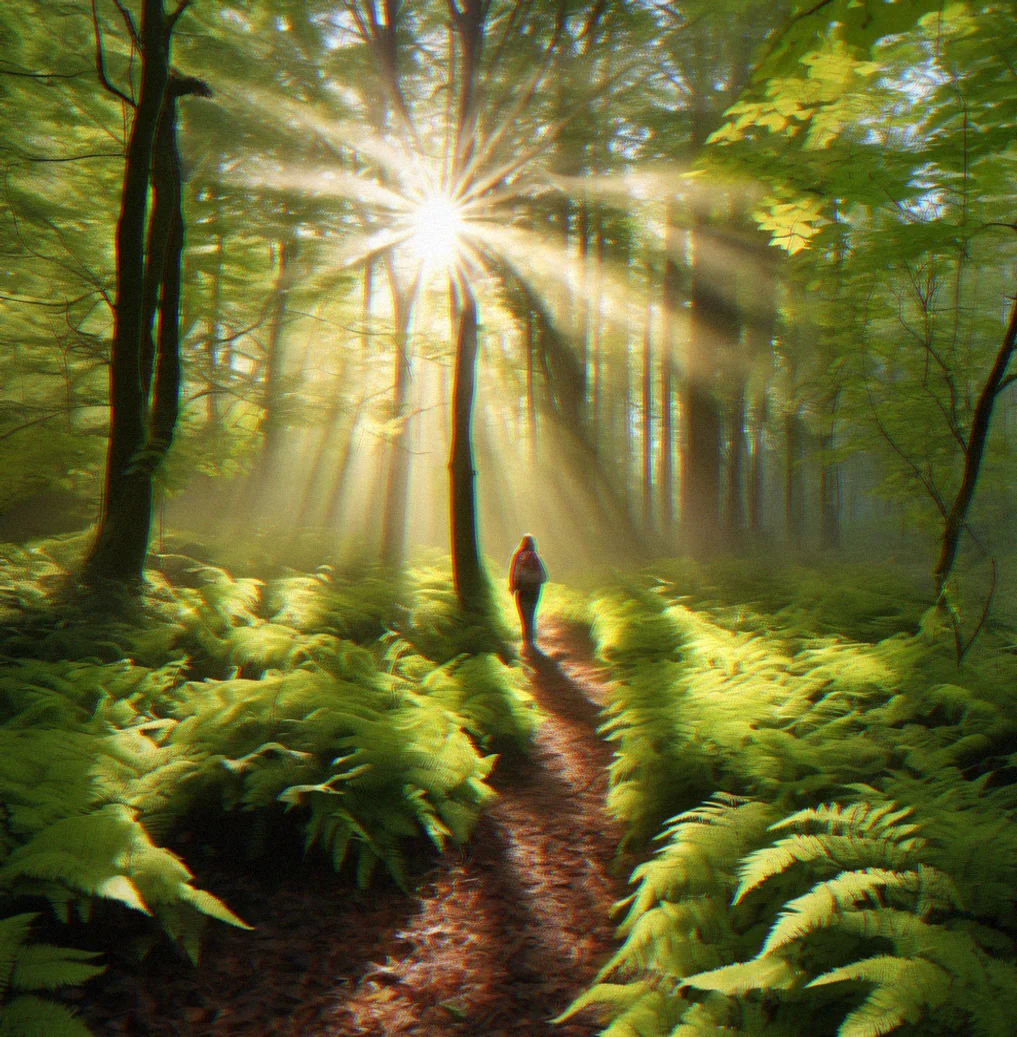
The air changes. Light does. You're alone.
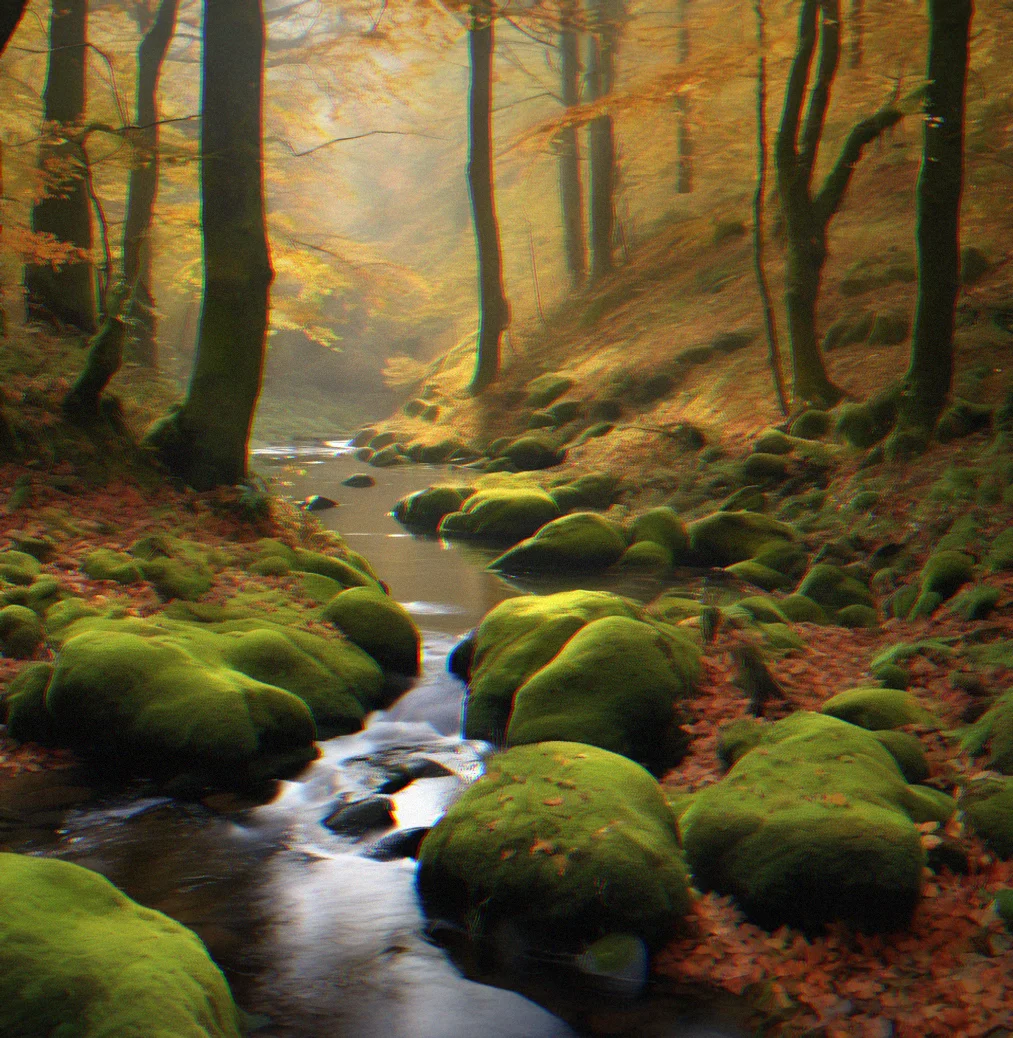
The shift in how you feel happens on its own. You don't have to do anything.
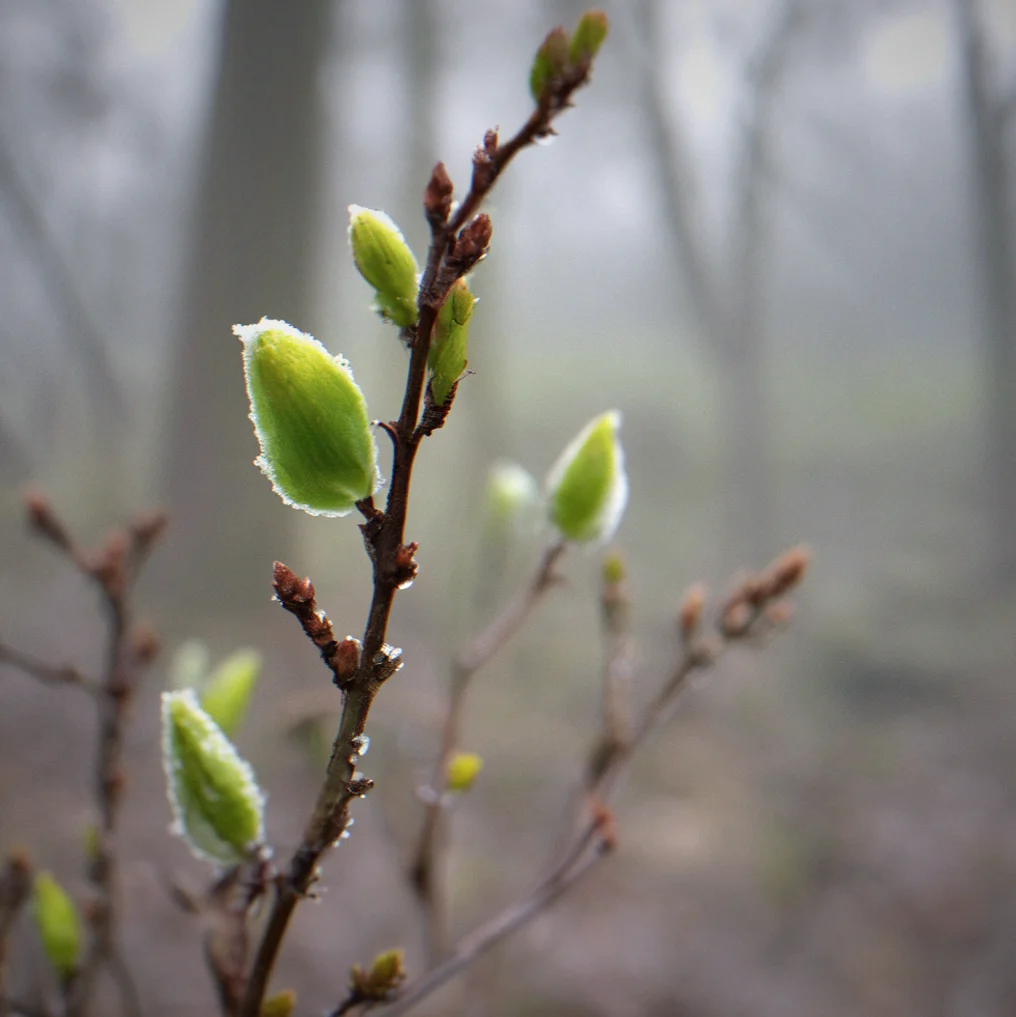
Pay attention to the seasons. Month after month.
Six moments pulled straight from the routines. What actually happens when you slow down and pay attention. Nothing staged. Nothing artificially perfected, though you do get some genuinely beautiful light mixed in. Just real observations—forest time, early morning walks, watching the seasons shift.
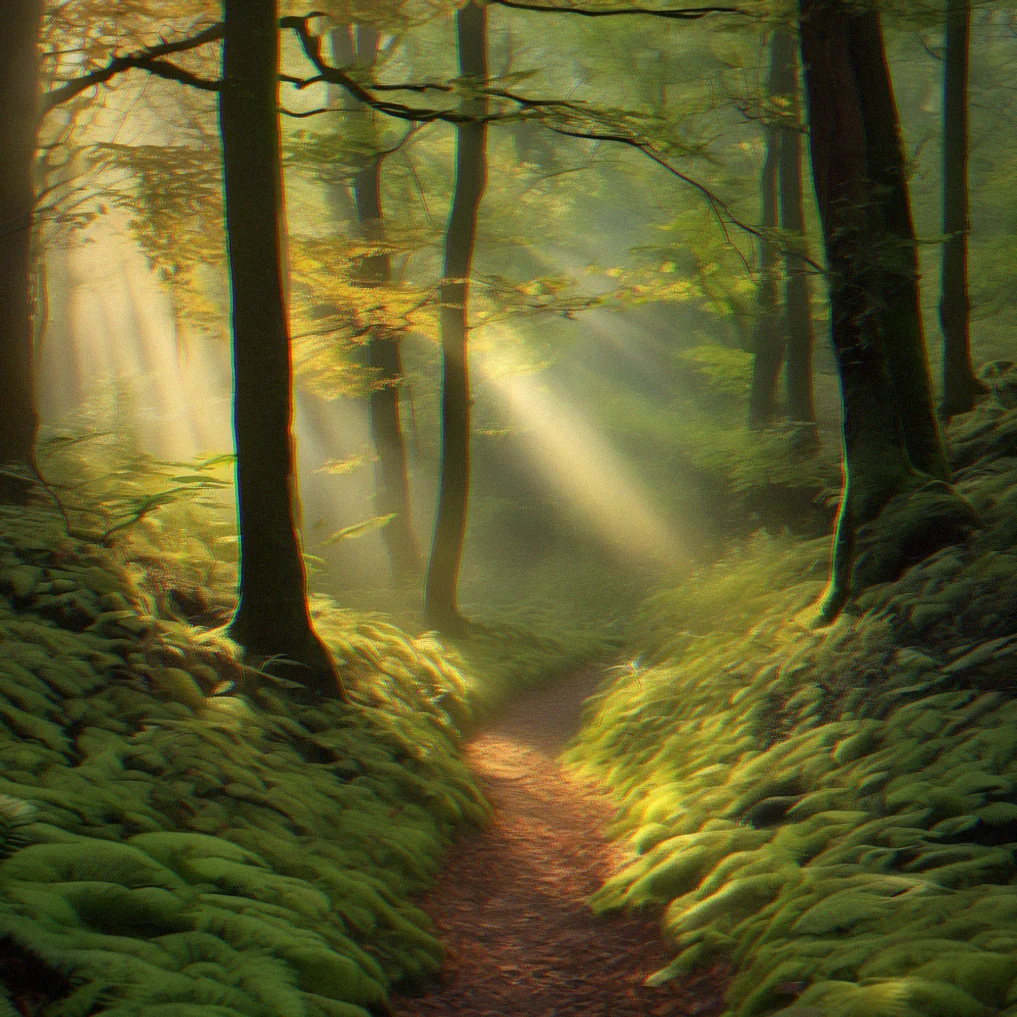
Half an hour into the walk. Still completely quiet.
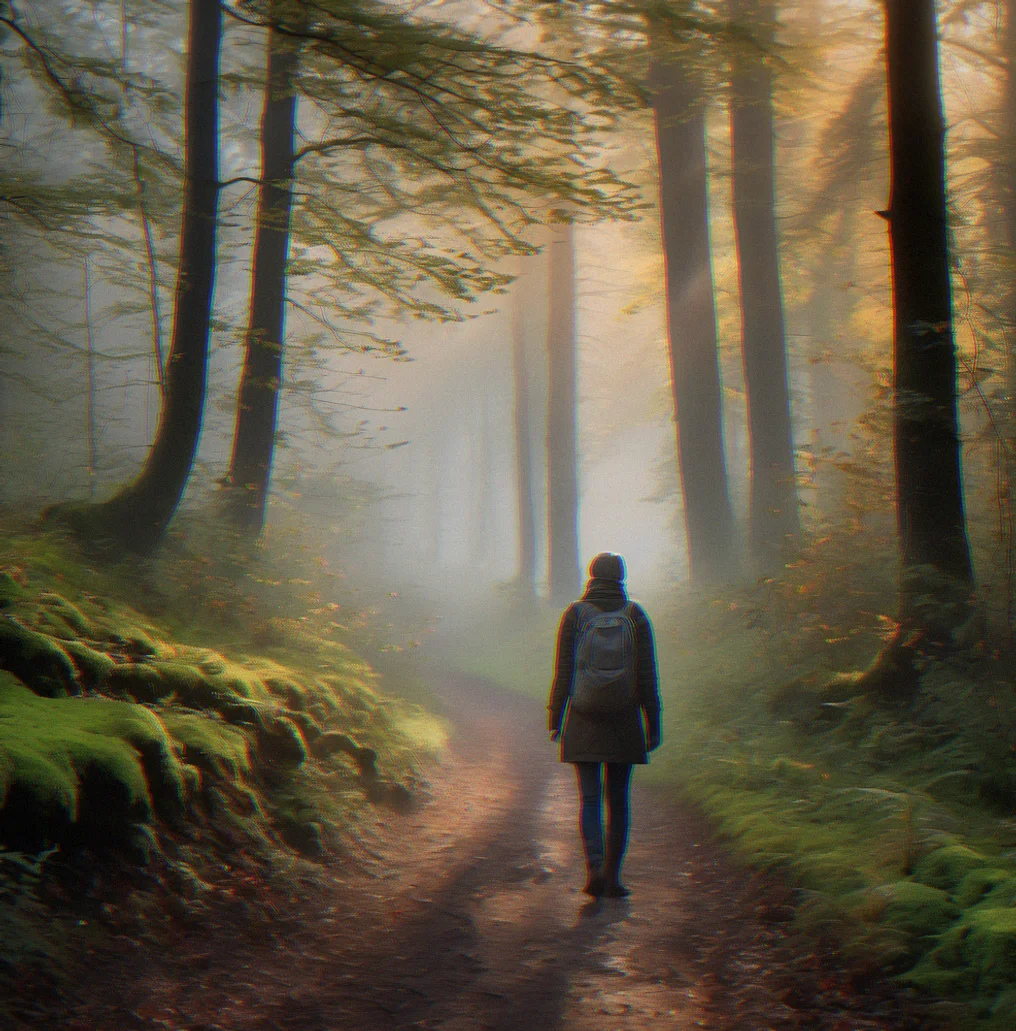
Dawn walk. Before anything else starts.
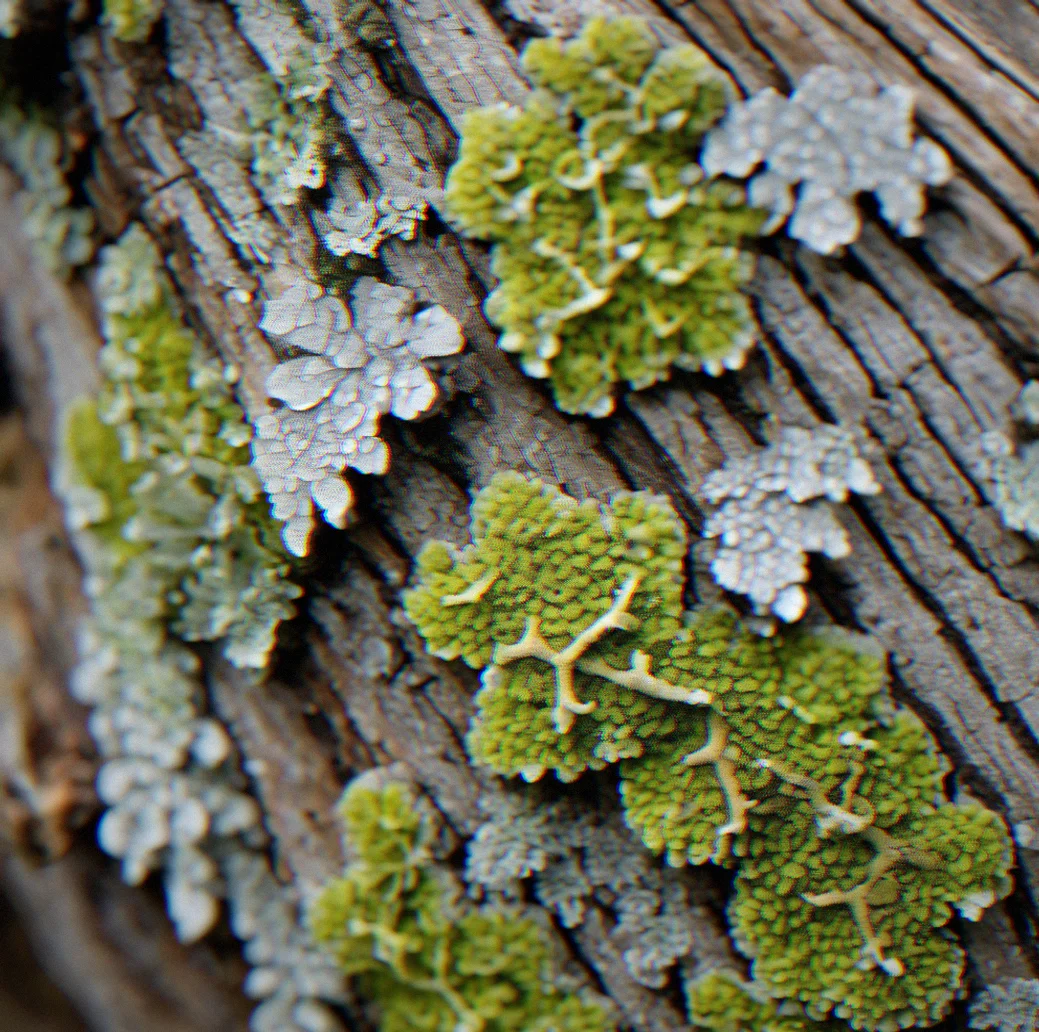
A few weeks of walks and you start seeing things like this.
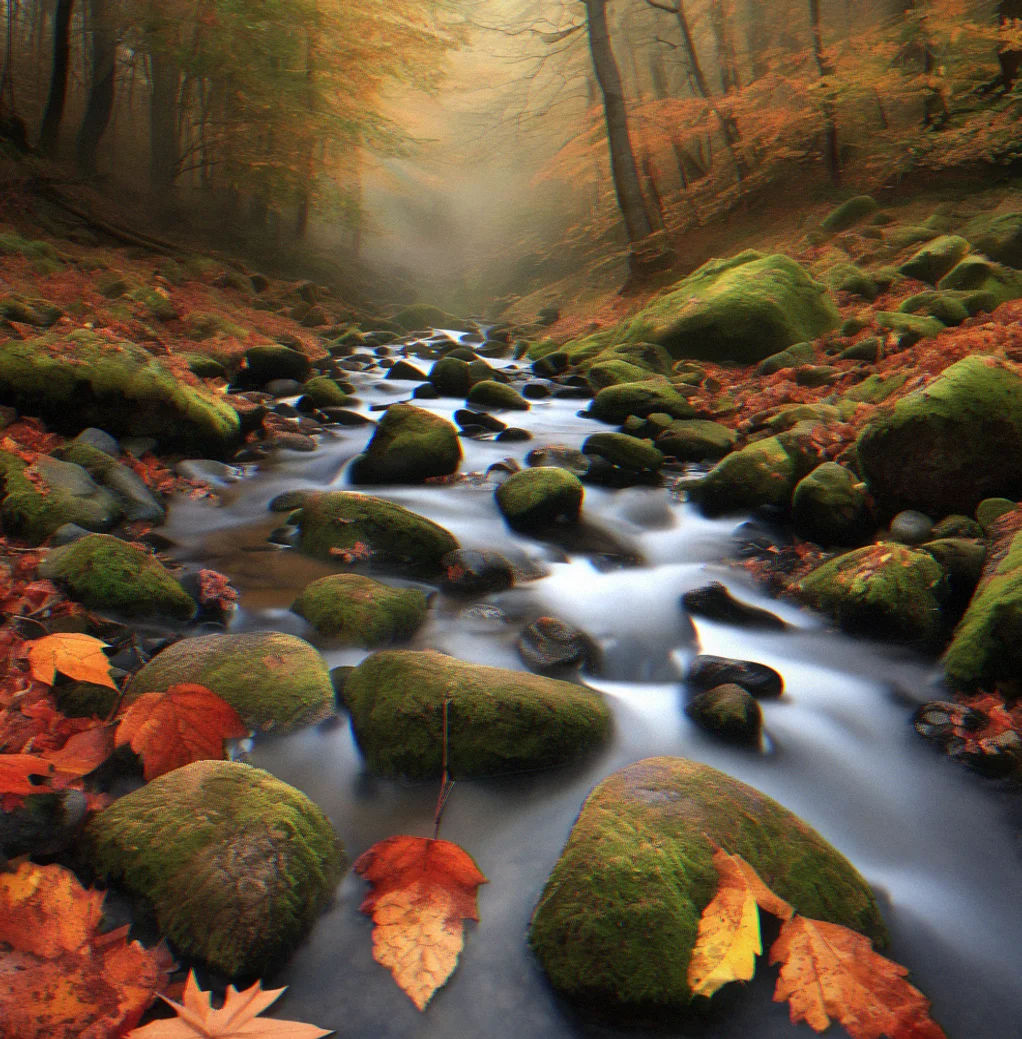
You notice when the water gets colder. When things start changing.
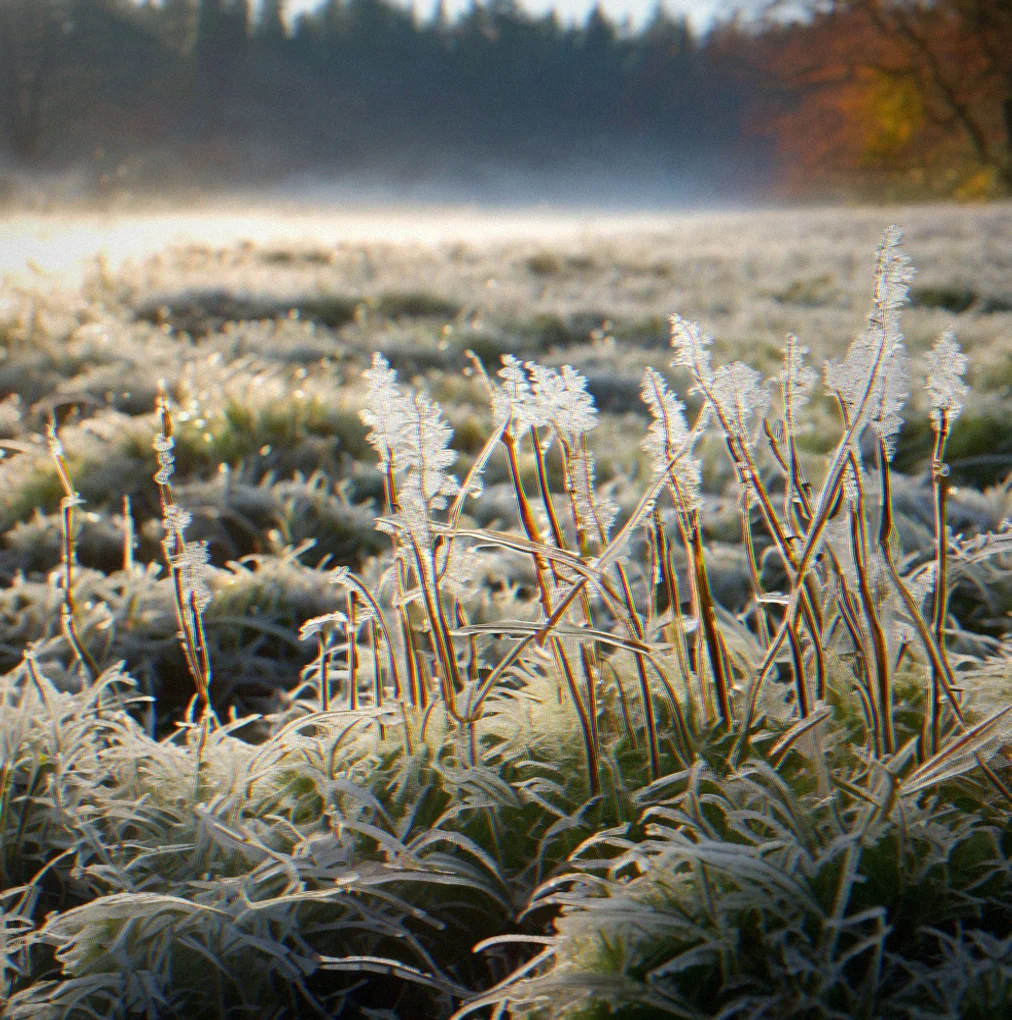
Winter frost. Every morning a different pattern.
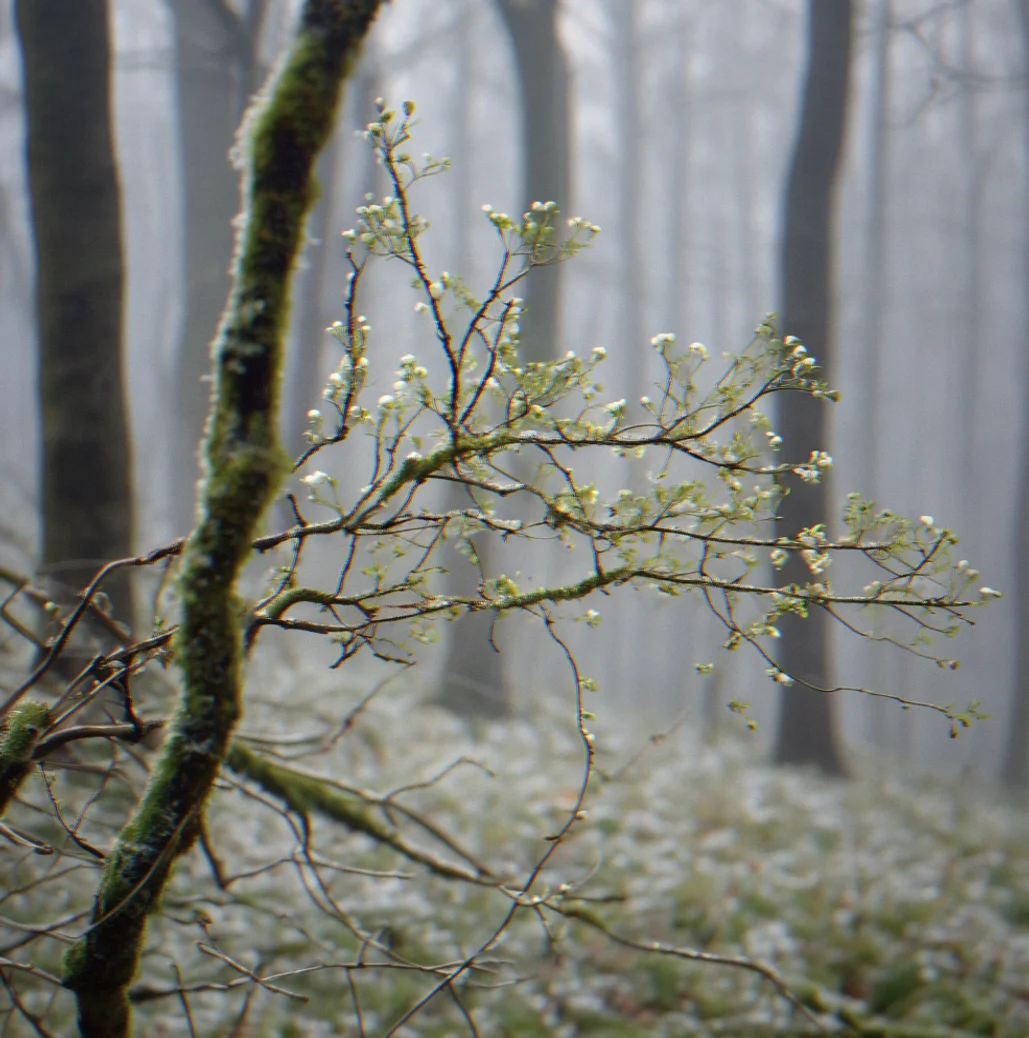
Spring doesn't arrive all at once. But you catch it happening.
Four seasons, four completely different rhythms. Watch how your focus shifts with each one. These are the real routines, the ones you live through day by day.
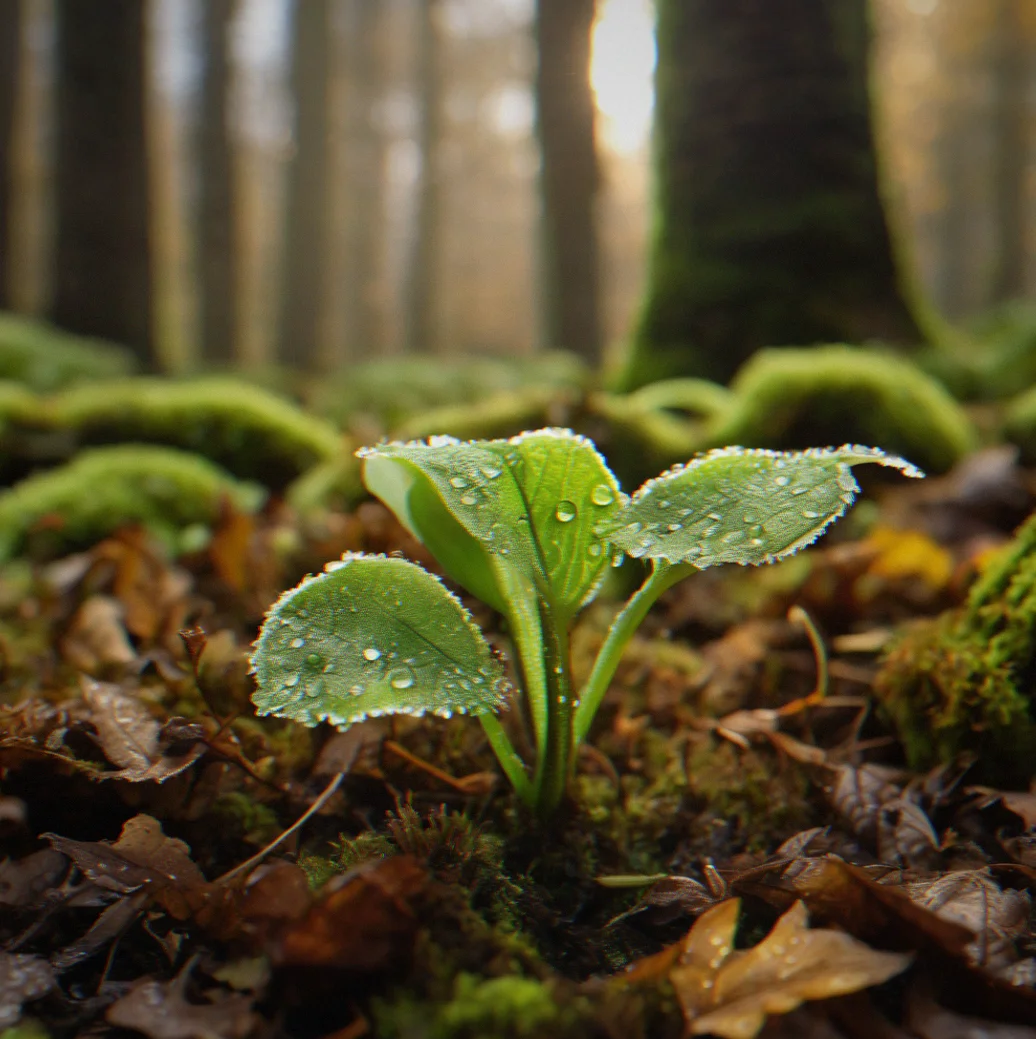
Spring. Evreything breaking open. Feels slow at the start.
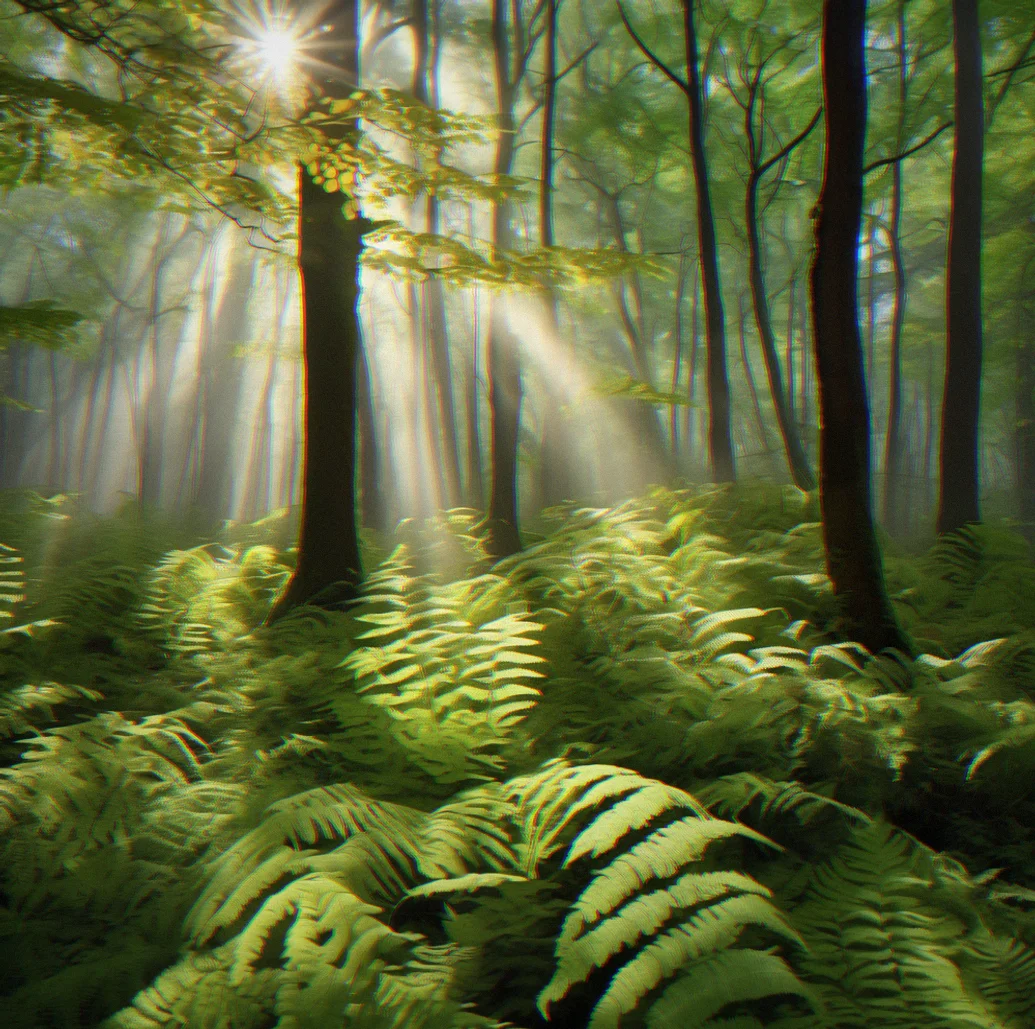
You're forest bathing now. Phytoncides rising, light breaking through the leaves, that warm earth smell hitting different.
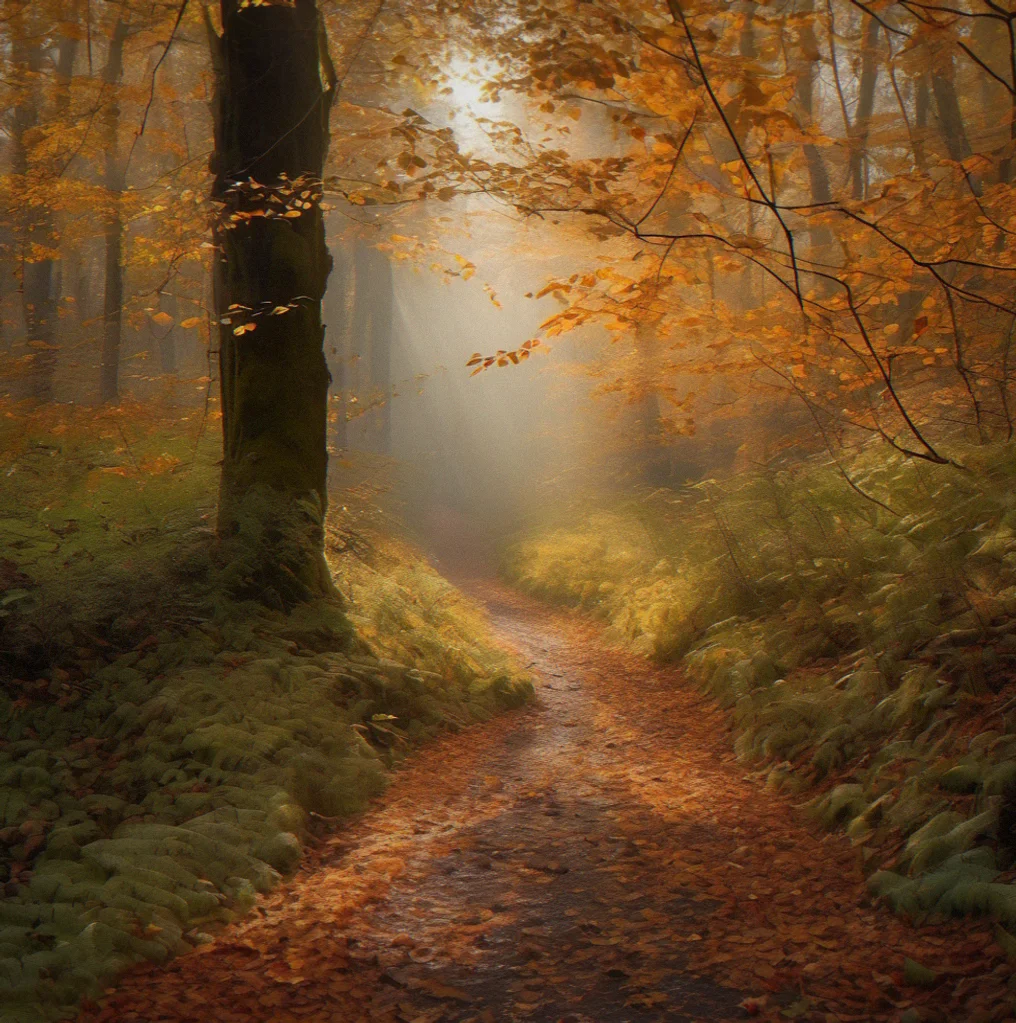
Autumn.
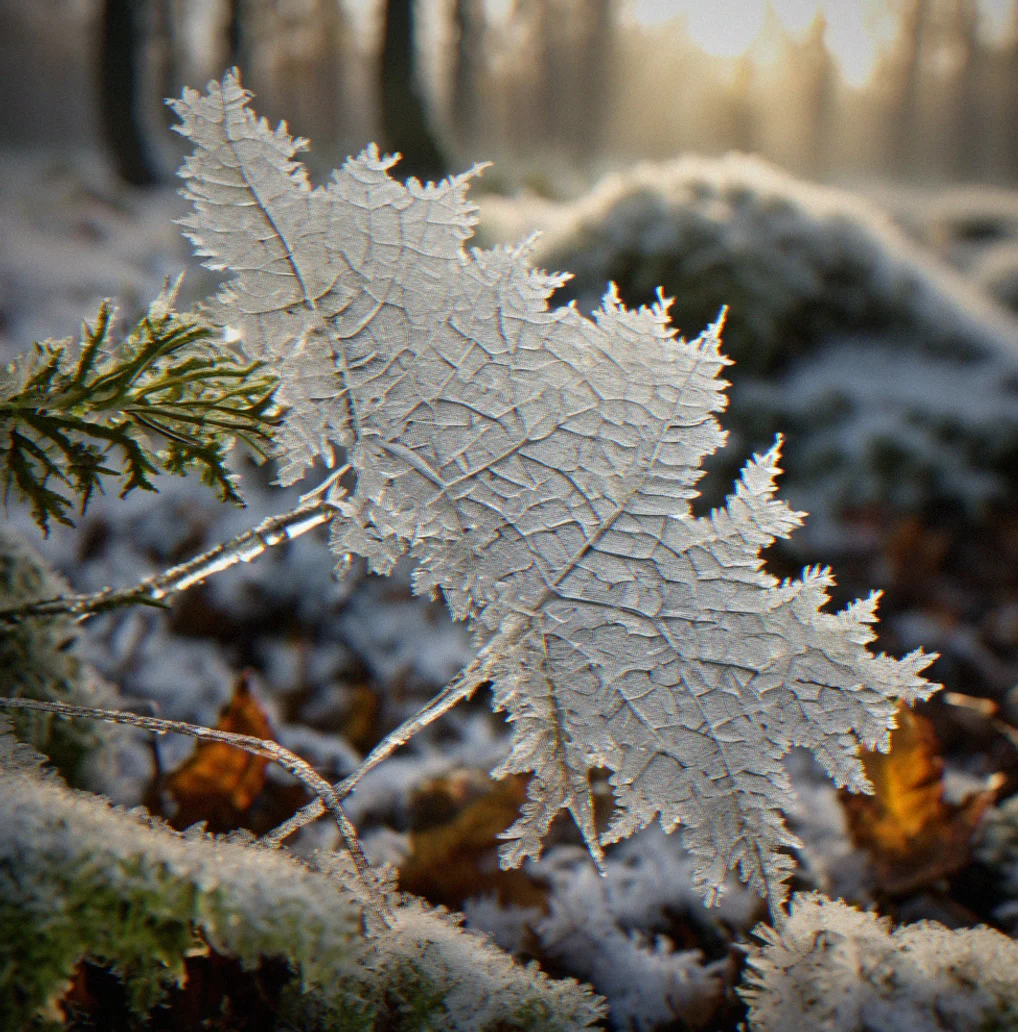
Winter observation. Frost builds the same patterns over and over. Dormancy teaches you what stillnness actually means.
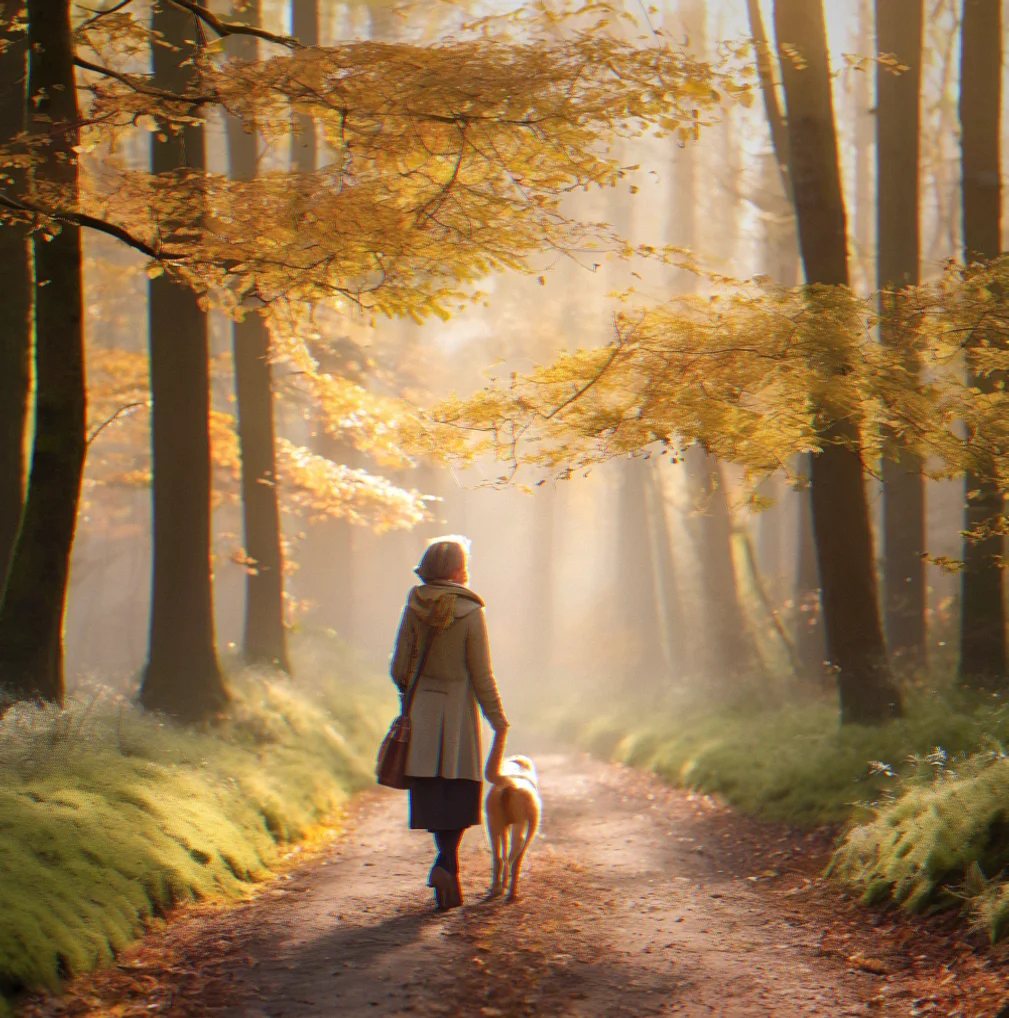
Someone walking alone on a narrow forest trail as dawn breaks, gray light pushing through bare branches while mist hangs between the trees.
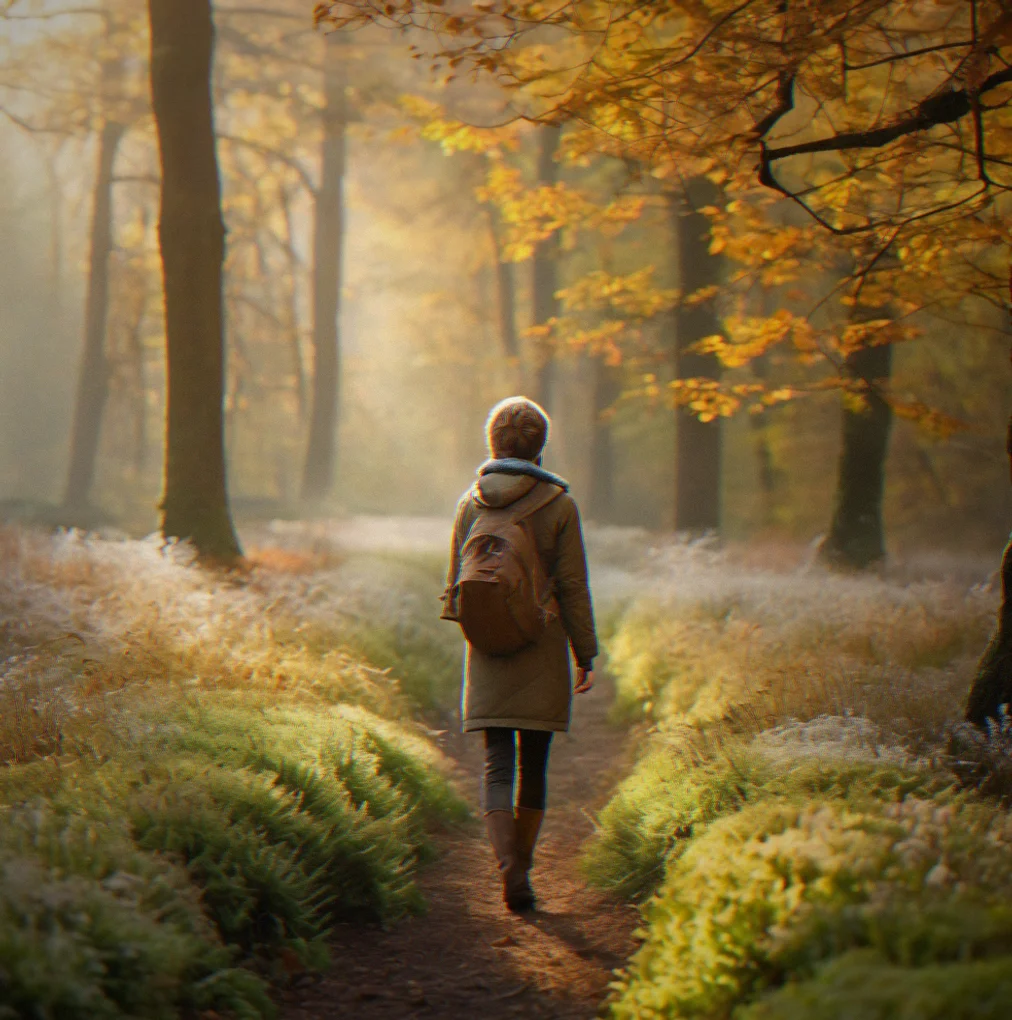
Water droplets stuck to moss and lichen on a log lying on the ground. Each one catches pale morning light like a tiny mirror.
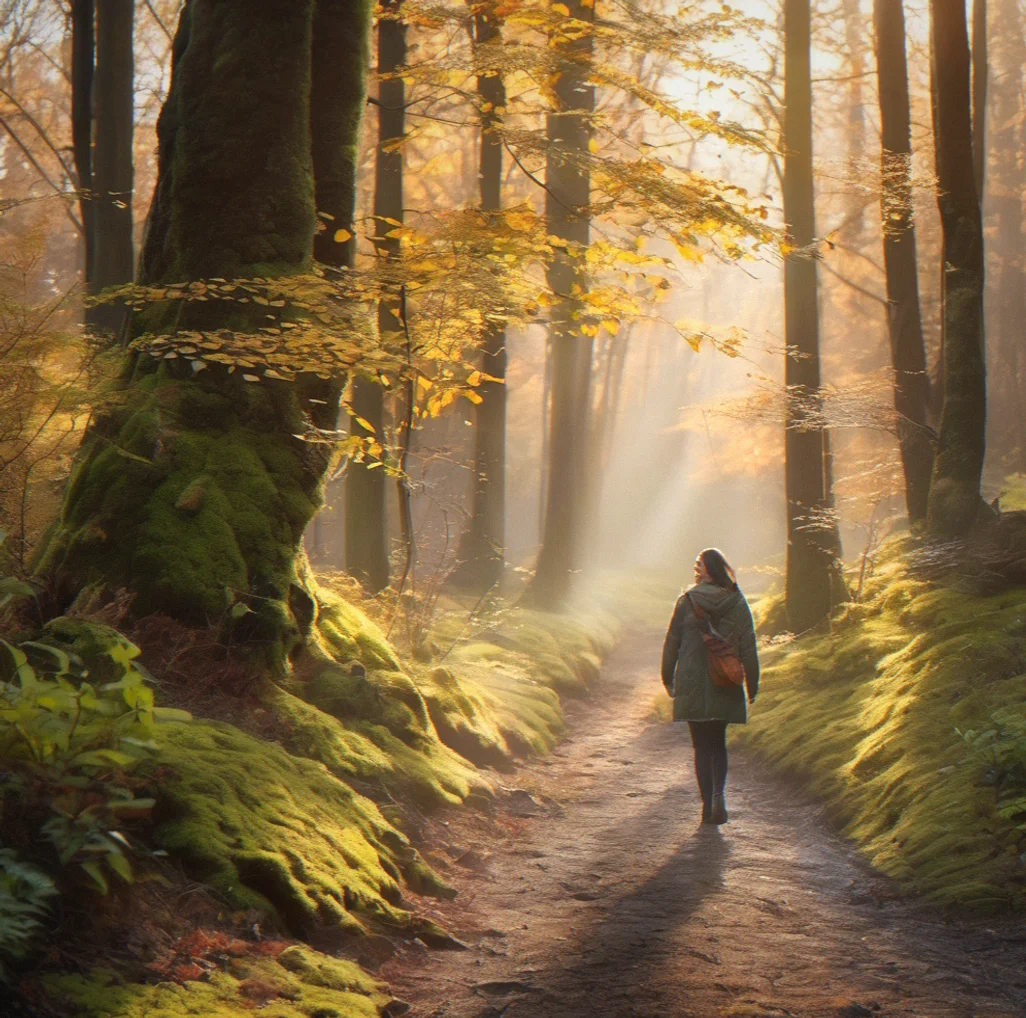
Sunlight cuts through the dense canopy in thin golden streaks, casting shadow patterns across ferns and low growth. The kind of light you don't notice until you stop and look.
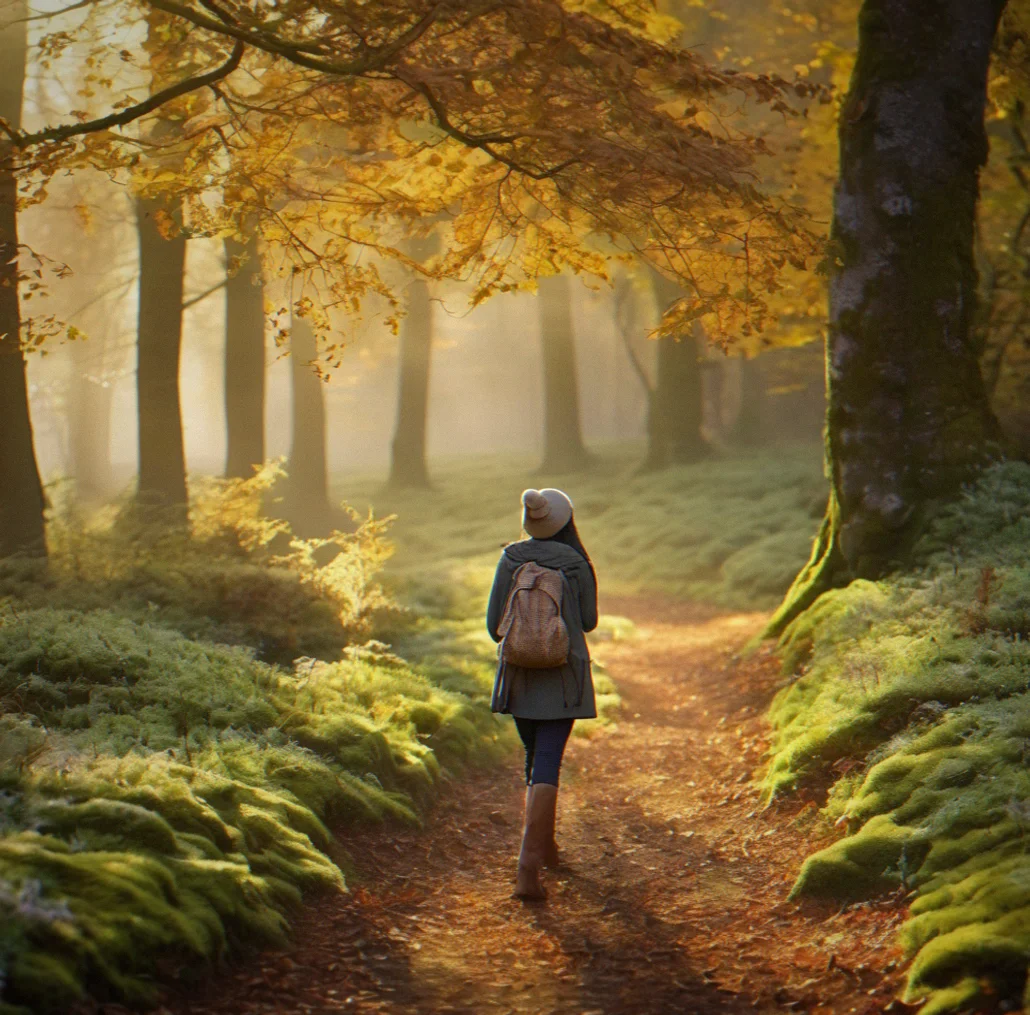
Frost has built up on grass blades and plant stems in delicate geometric shapes, each blade outlined in white.
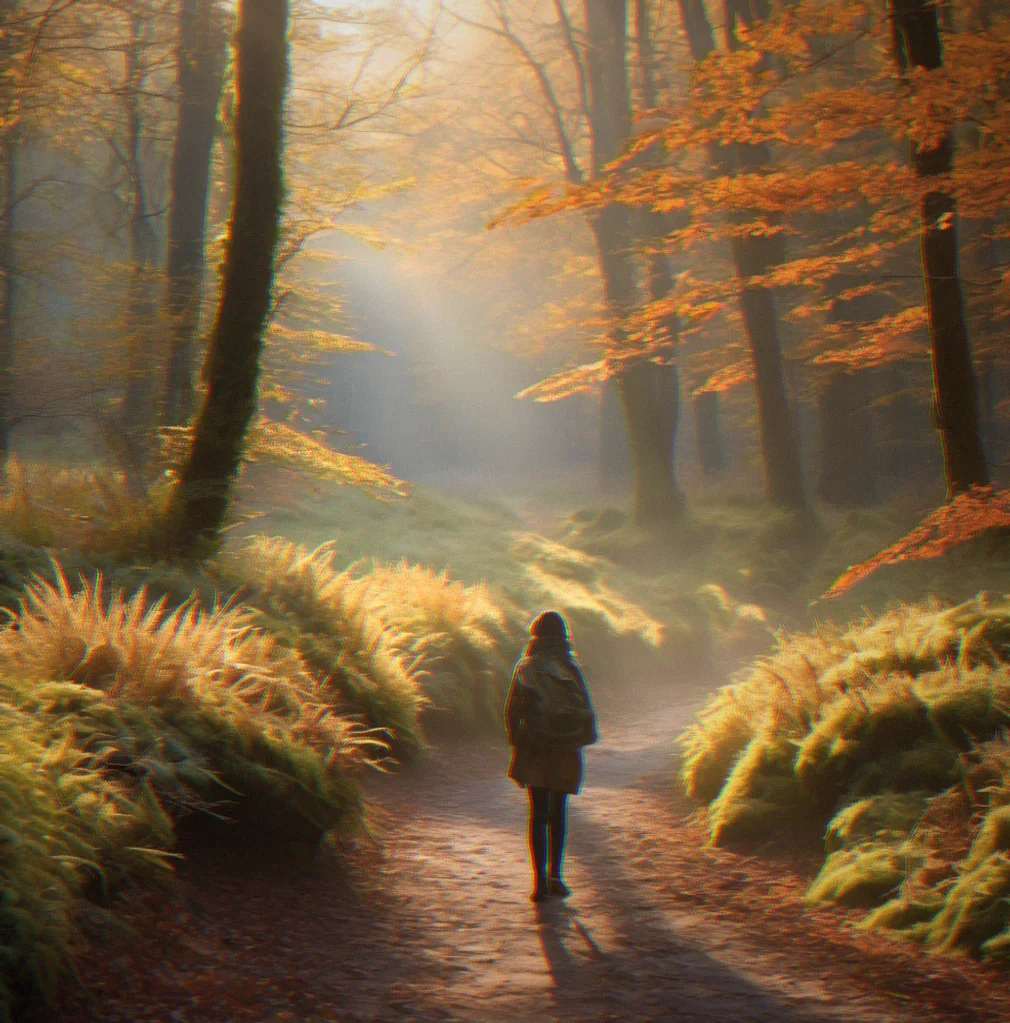
A stream moves over smooth rocks with autumn leaves spinning in the current. Around it, branches show different stages of color change.
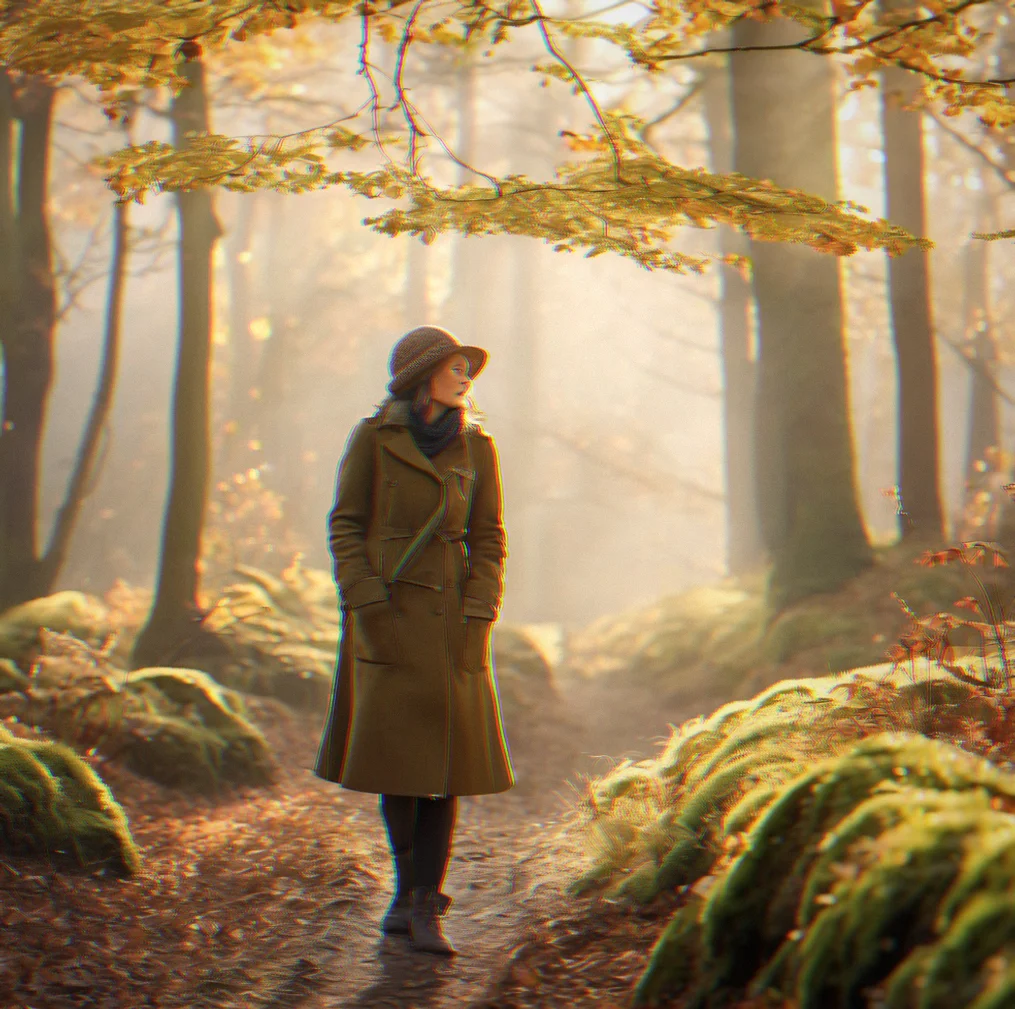
Fresh green shoots pushing up through dark soil after rain, with water still clinging to the new leaves unfurling.
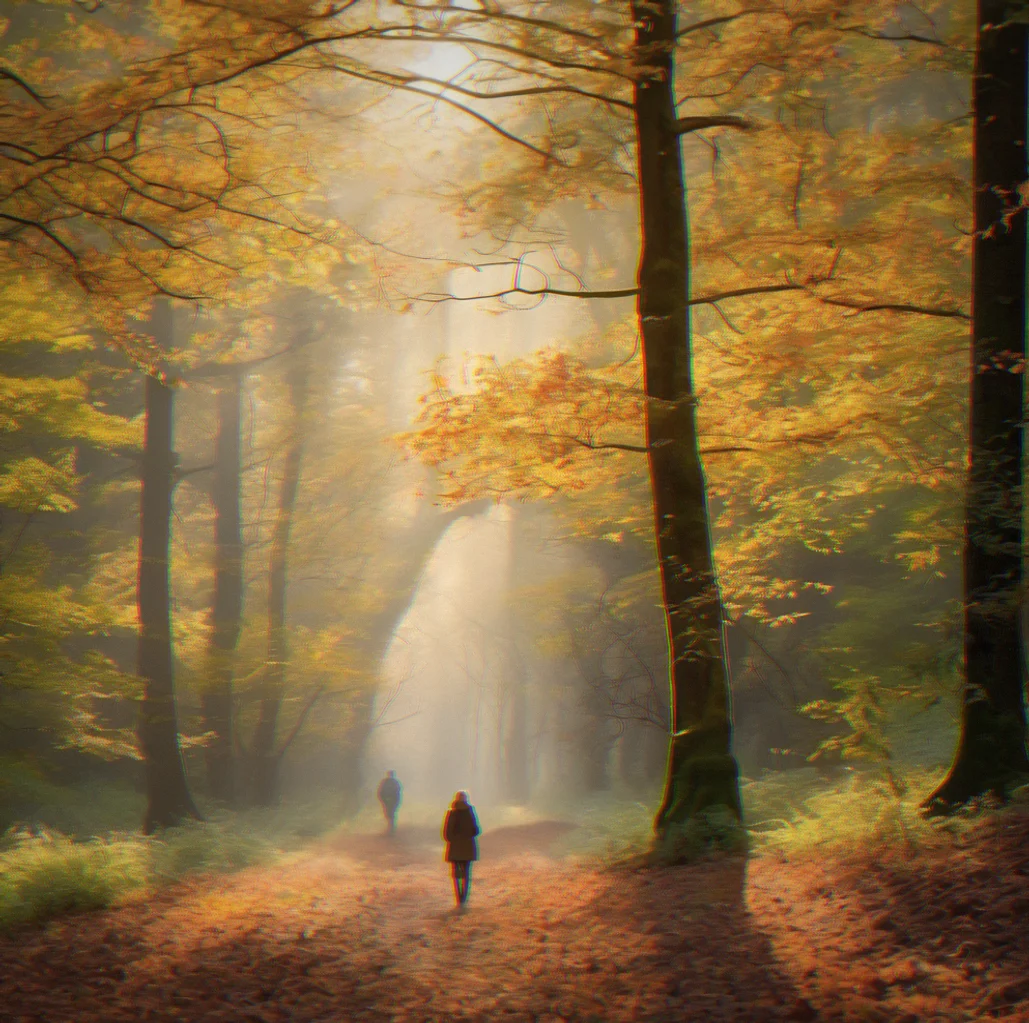
An old tree trunk covered in layers of lichen and moss. Grays, greens, and pale orange mixed together. You can see years of slow growth.
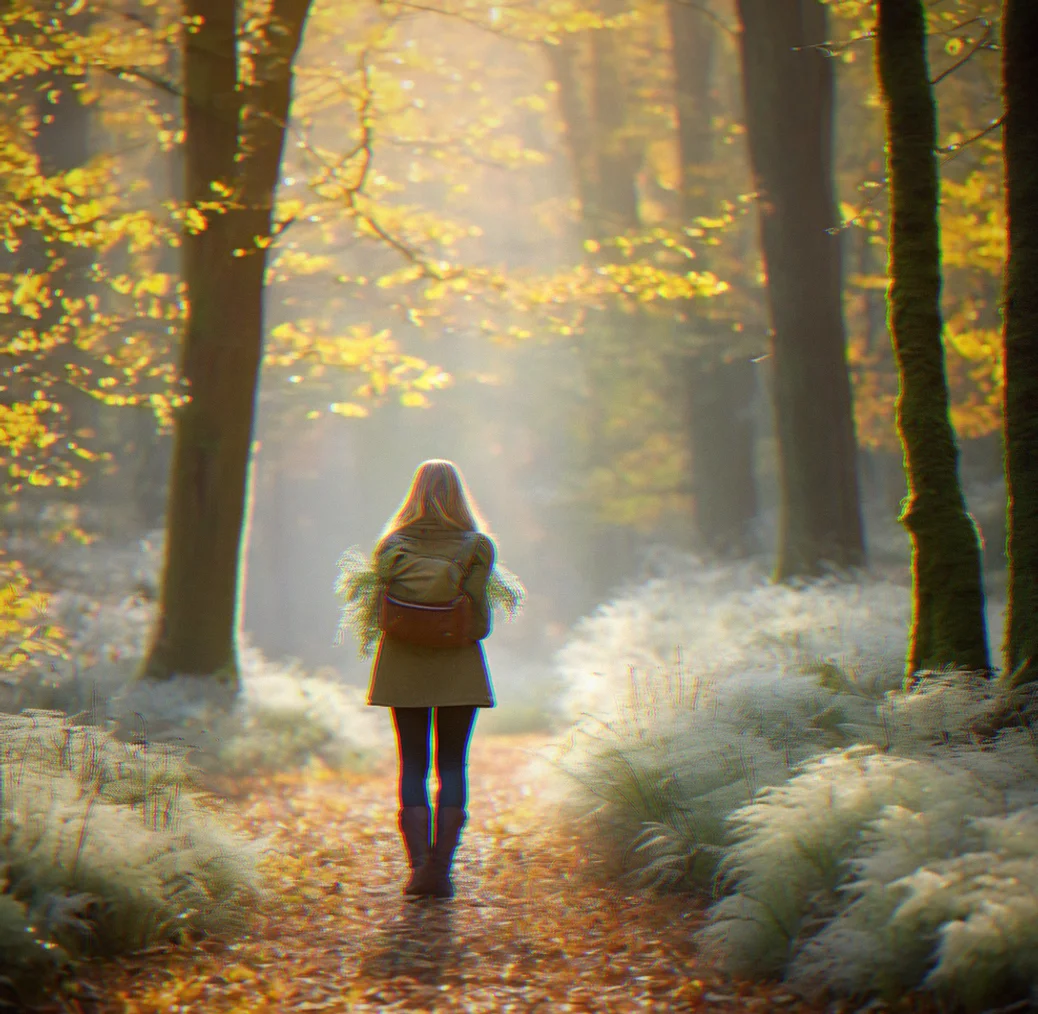
A forest path stretches ahead and fades into soft focus. Filtered light creates distance and pulls you forward into quiet.
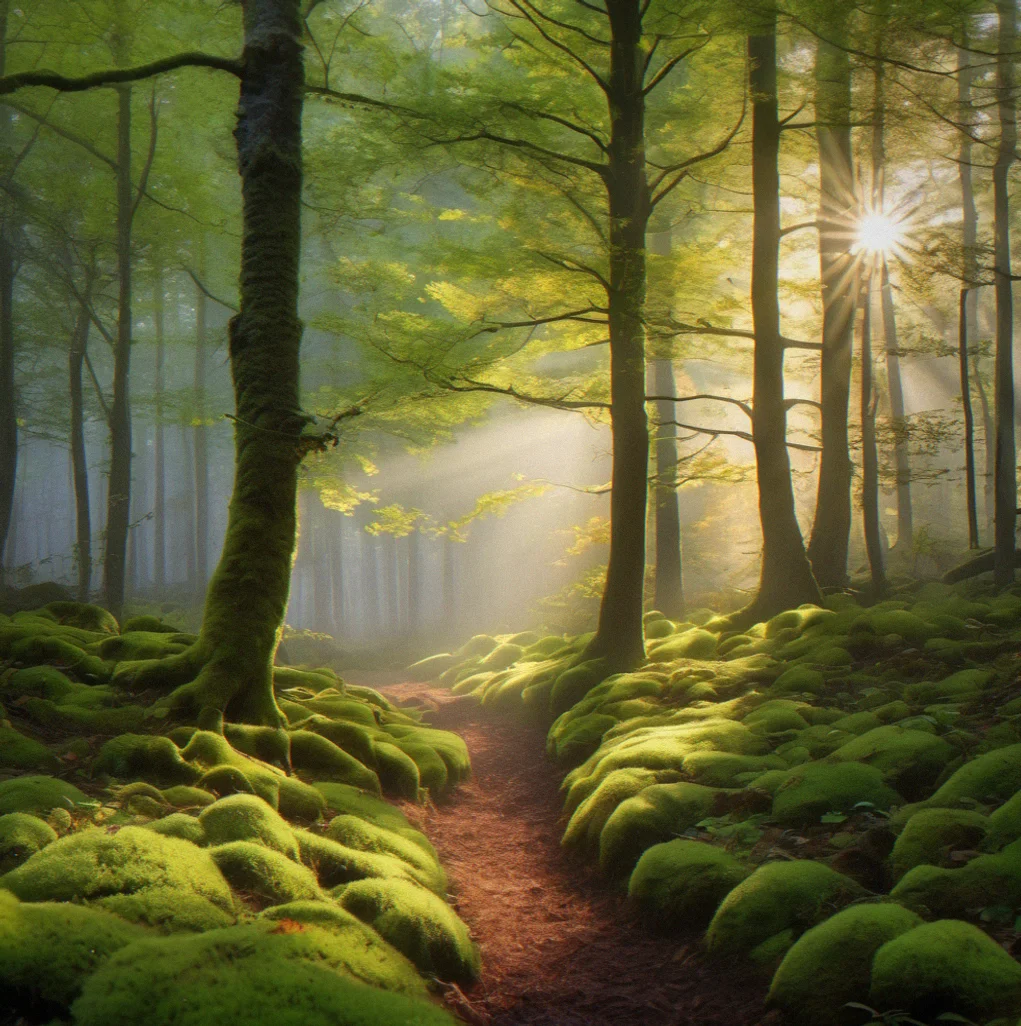
Forest bathing drops cortisol fast — within 20 minutes or so. The phytoncides help, sure. But what's really happening is you're doing something your body was built for. Moving slow through trees. After a month of regular walks your baseline stress is lower. Sleep gets better. You notice tension you didn't even know you were holding starts to ease out.
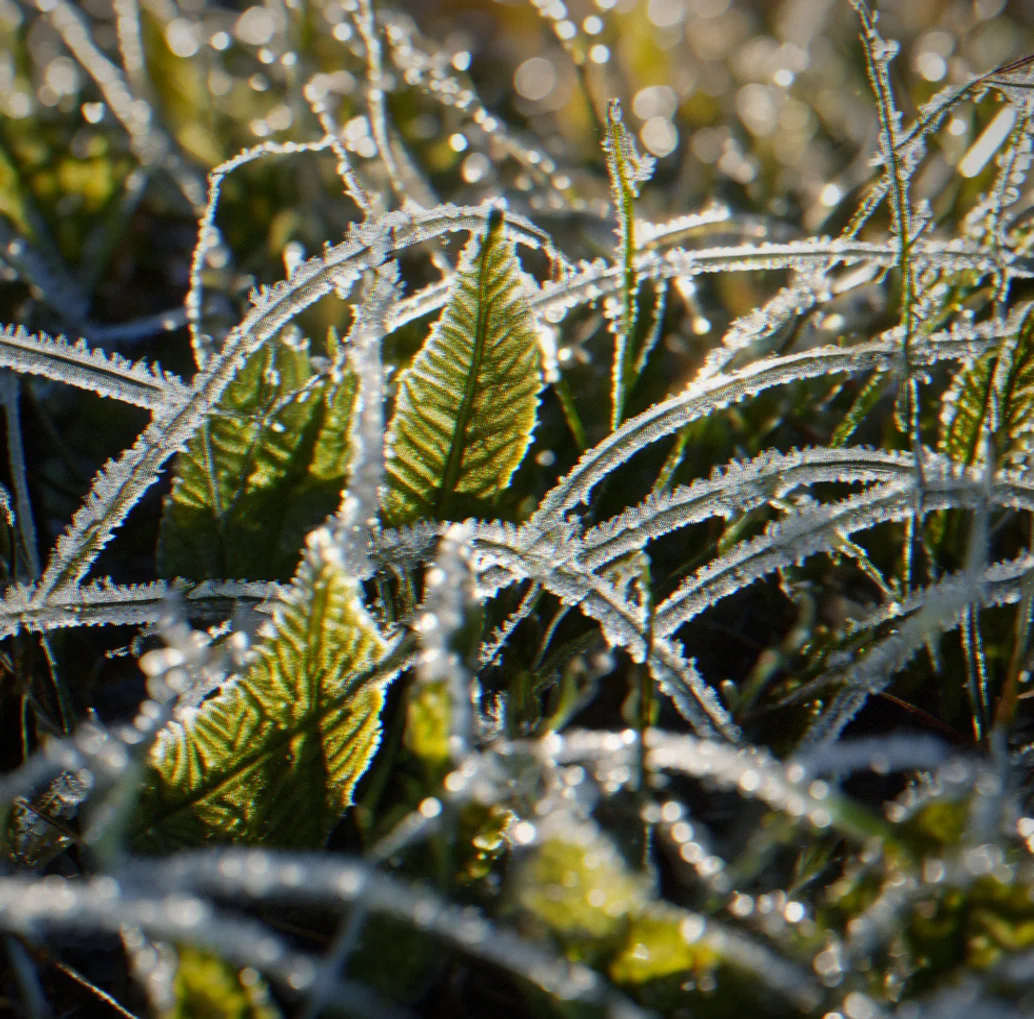
Screens break your attention into pieces. Nature and quiet rebuild it — but not the white-knuckle kind. The kind that just settles on its own. When you're watching frost patterns or how light moves through leaves, your brain stops chasing the next thing. A few months in and you'll realize you're not reaching for your phone as much during the rest of your day either.
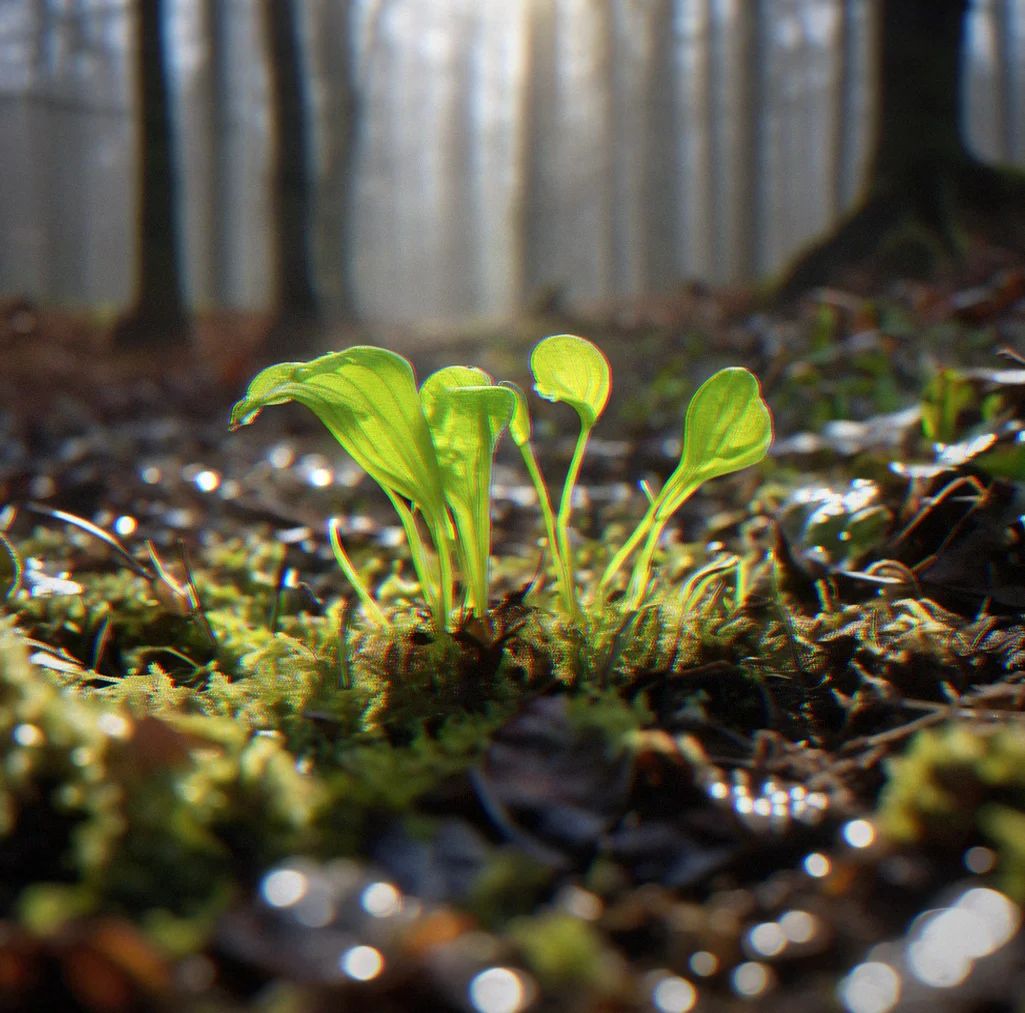
Calendars don't mean anything. Seasons do — they're the only time that ever actually existed. Watching what blooms, what dies back, what comes around again roots you in something way older than deadlines. Your sleep, hunger, energy — they start following the season instead of fighting it.
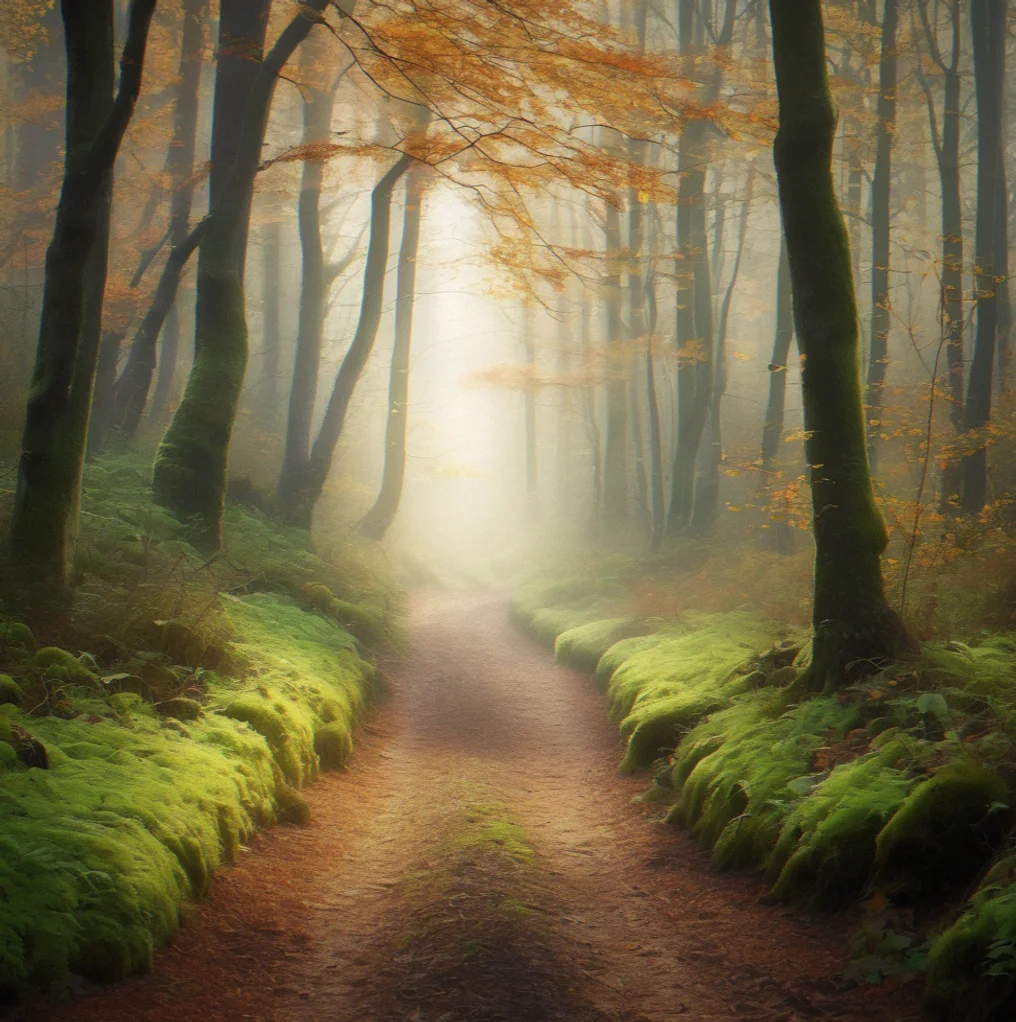
Alone in the woods isn't lonely. It's the opposite. Your mind goes quiet. Stillness becomes enough. Though you have to actually stick with it for this to happen. Regular practice teaches you that you don't need constant noise or input to feel like yourself.
These aren't set up for the camera. This is what actually unfolds when you keep showing up—same patch of woods, same time every week, through all the seasons. Your attention stops jumping around. You start picking up on things. Frost patterns become visible. You notice how the light changes hour by hour. You see which way the moss prefers to grow on bark and rocks and soil.
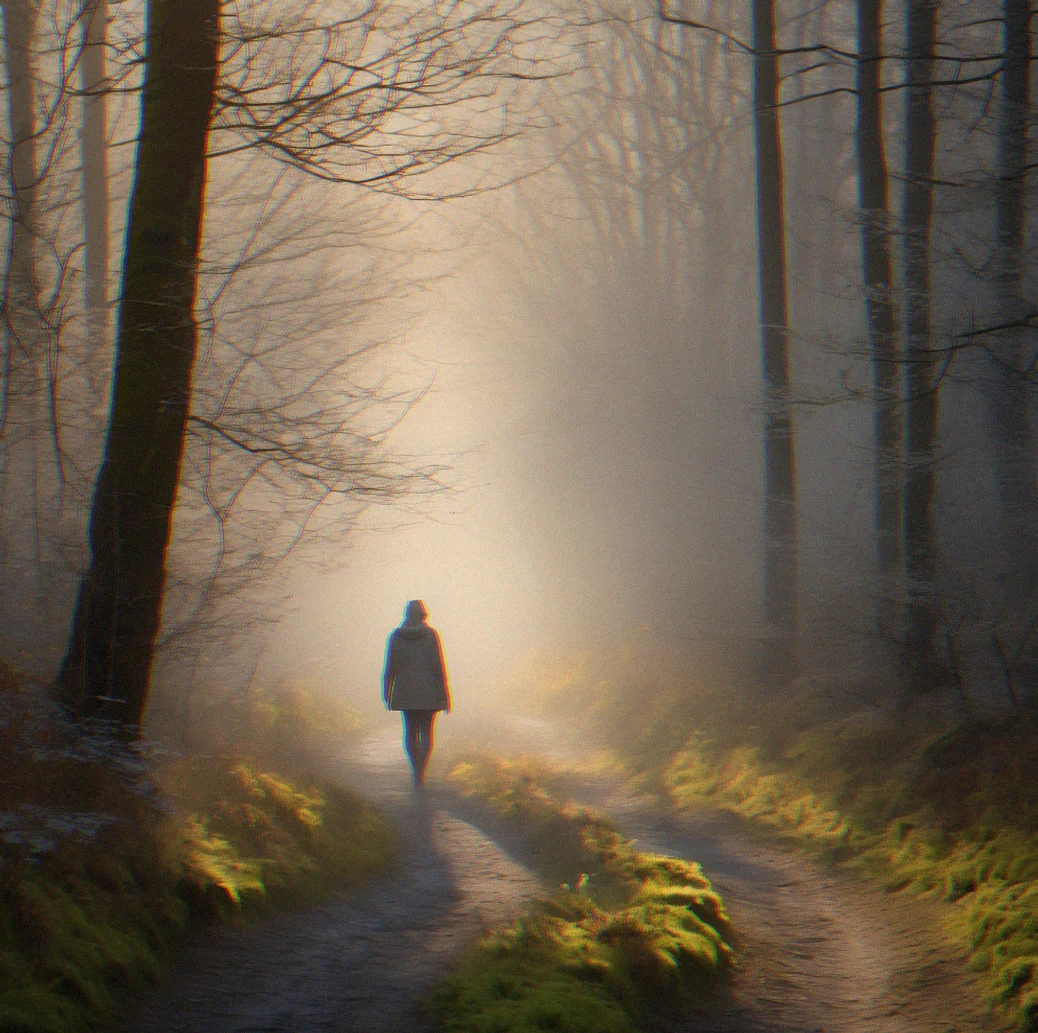
Dawn walk. Before the world wakes.
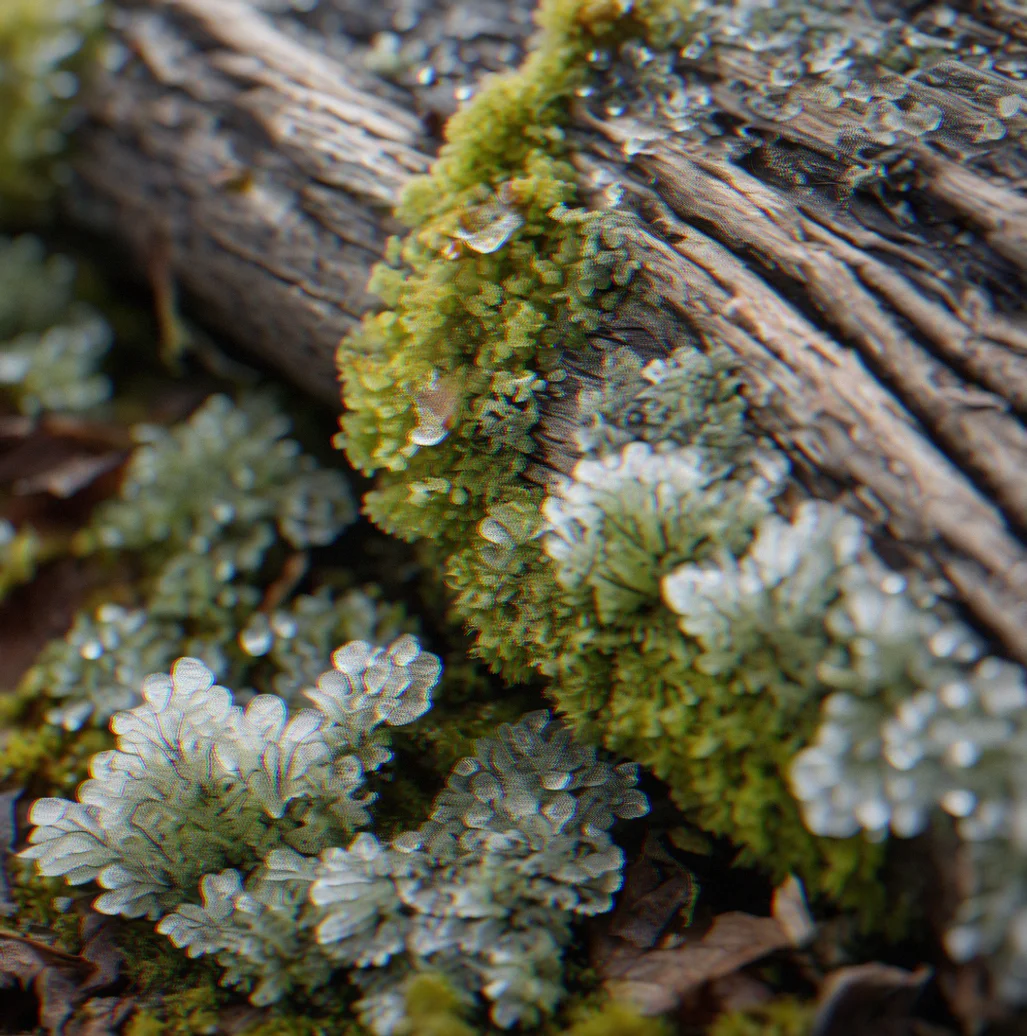
What reveals itself when you slow down.
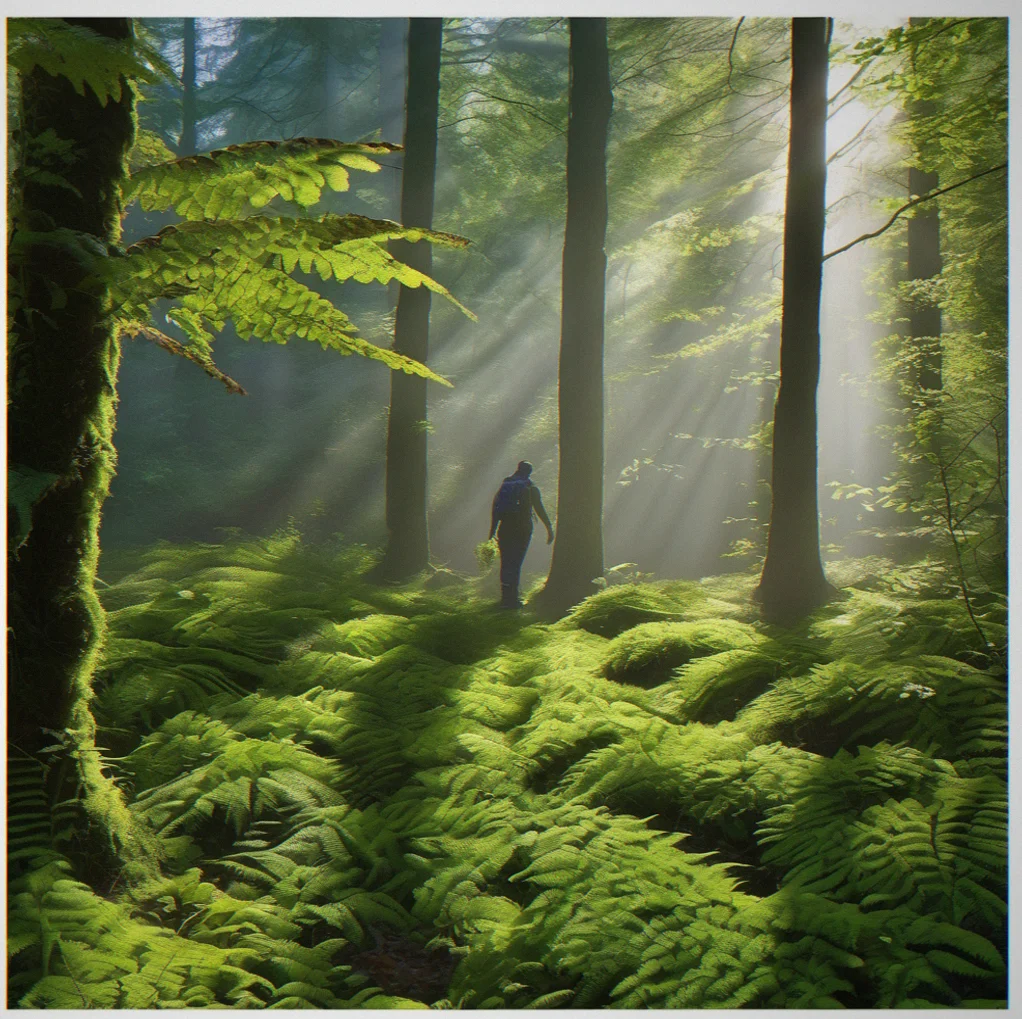
Forest bathing. Breathing in what the trees give off. Feeling your body settle.
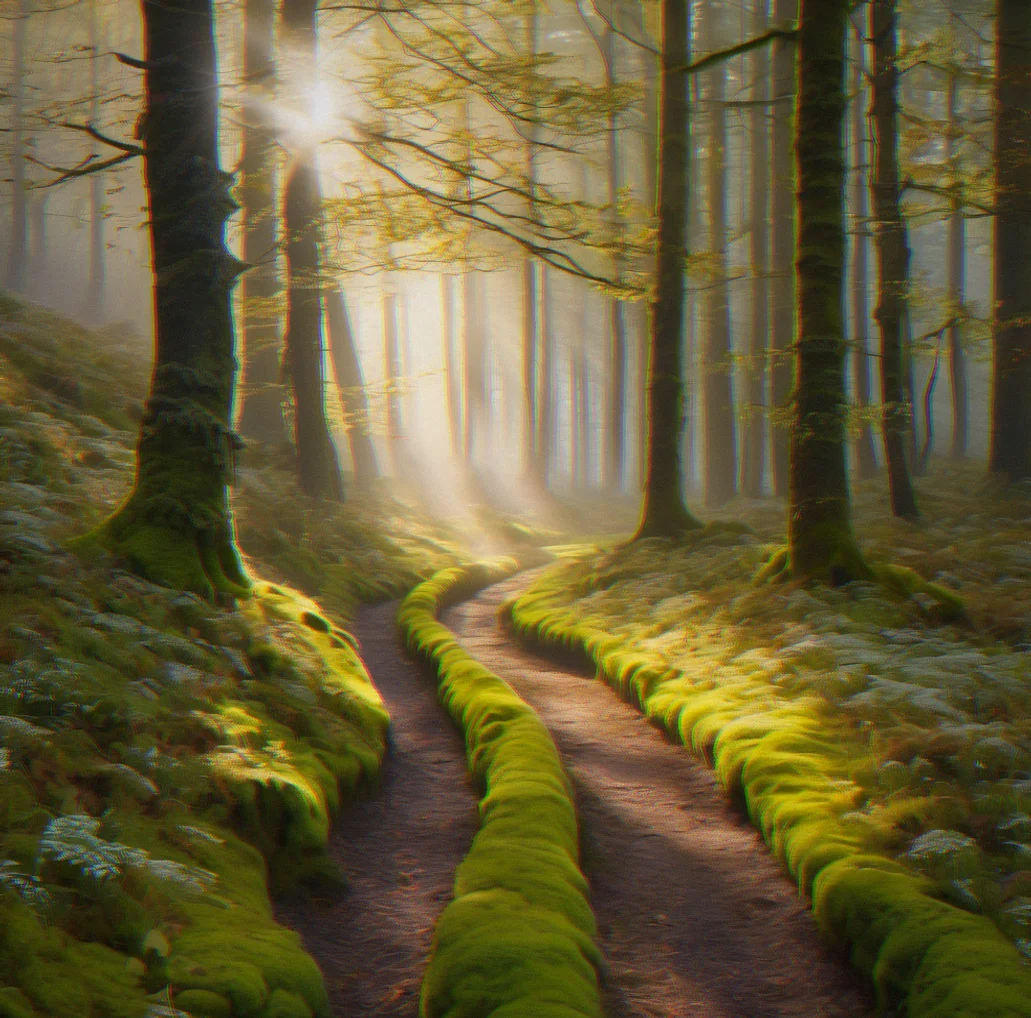
That's slower than a casual stroll. Your nervous system shkfts down within 20 minutes. Phytoncides — what trees release into the air — work better when you're breathing deep and moving this slowly. The pace forces you to pay attention. You can't obsess over work emails at this speed.
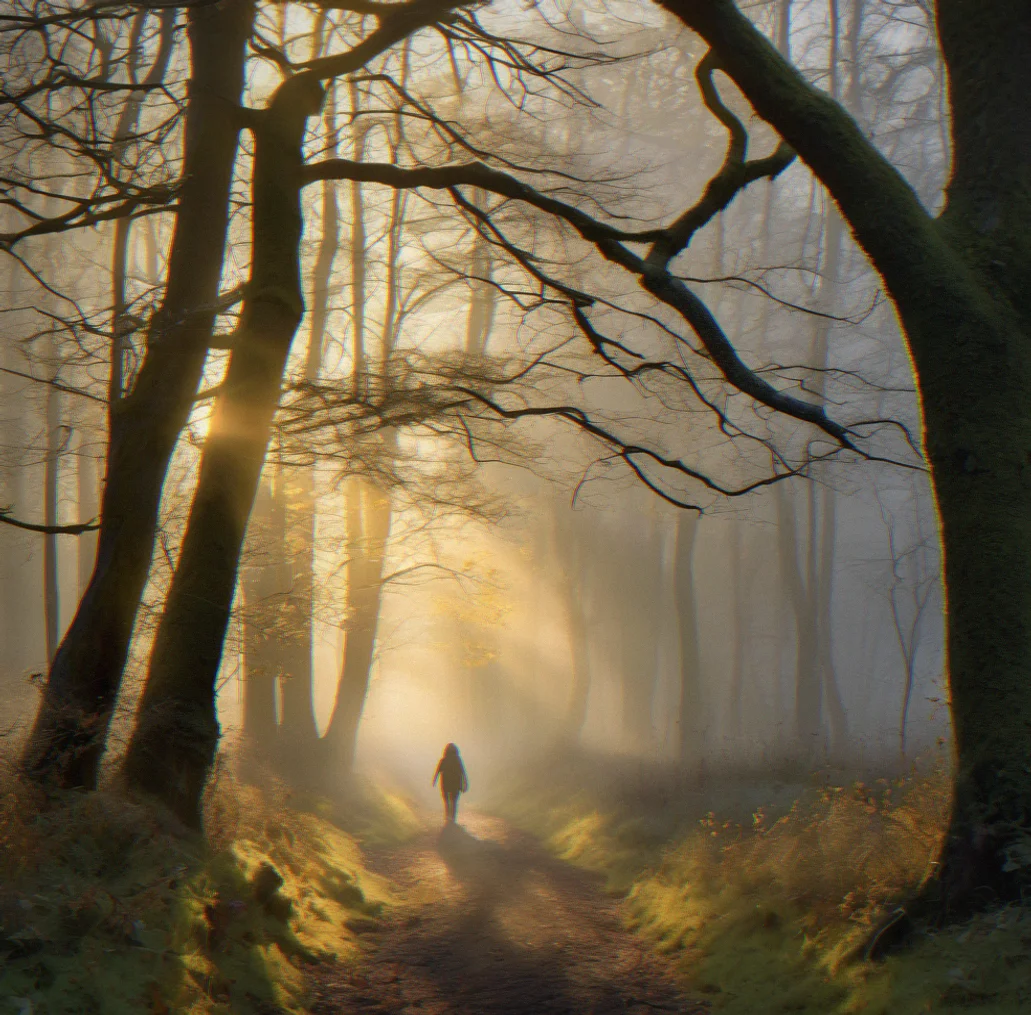
Light's changing every few minutes. Your eyes adjust slowly. Your mind hasn't gotten flooded with input yet — it's still coming online. That's the window where circadian alignment actually happens, where your body meets the day as it wakes instead of jumping into one already running.
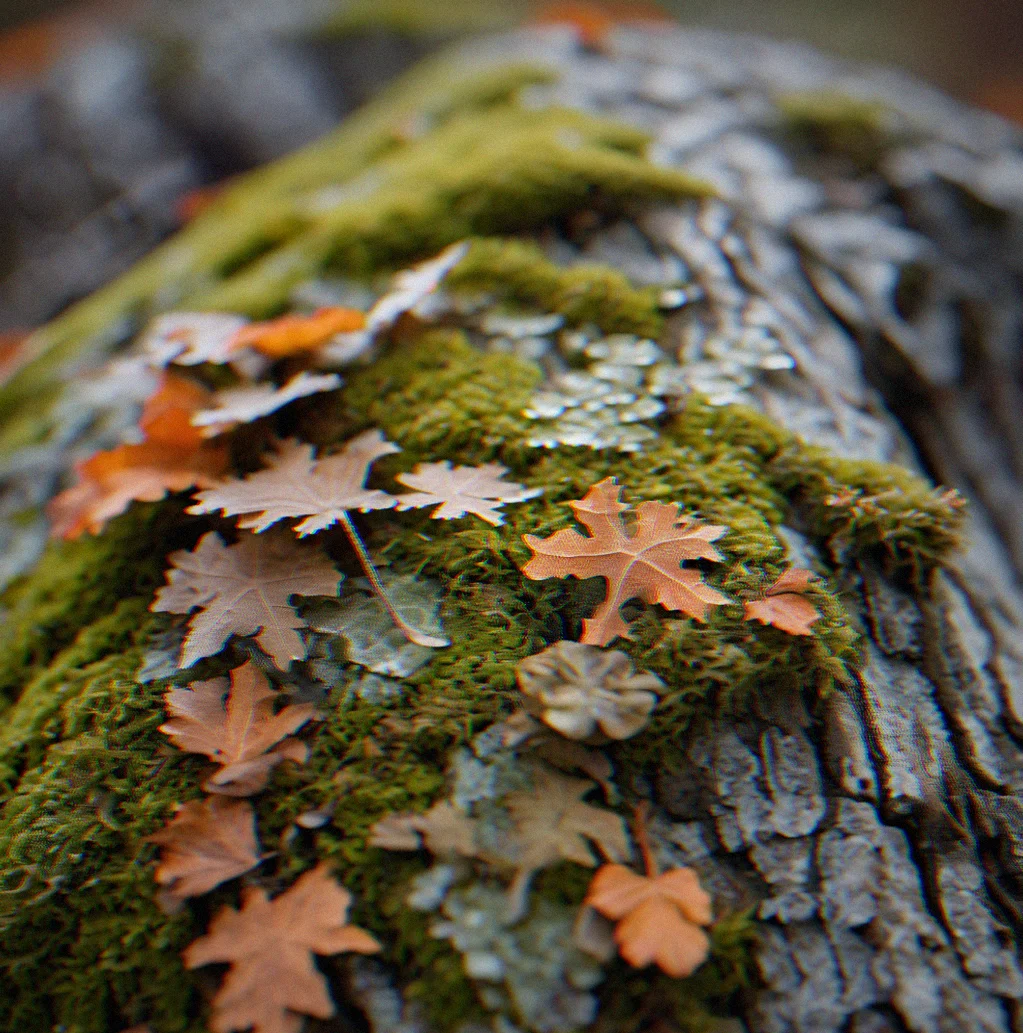
Bark patterns. How moss grows in one direction. That smell after rain — petrichor, from soil bacteria reacting to moisture. The details don't change. You learn to see them. That's the whole thing.
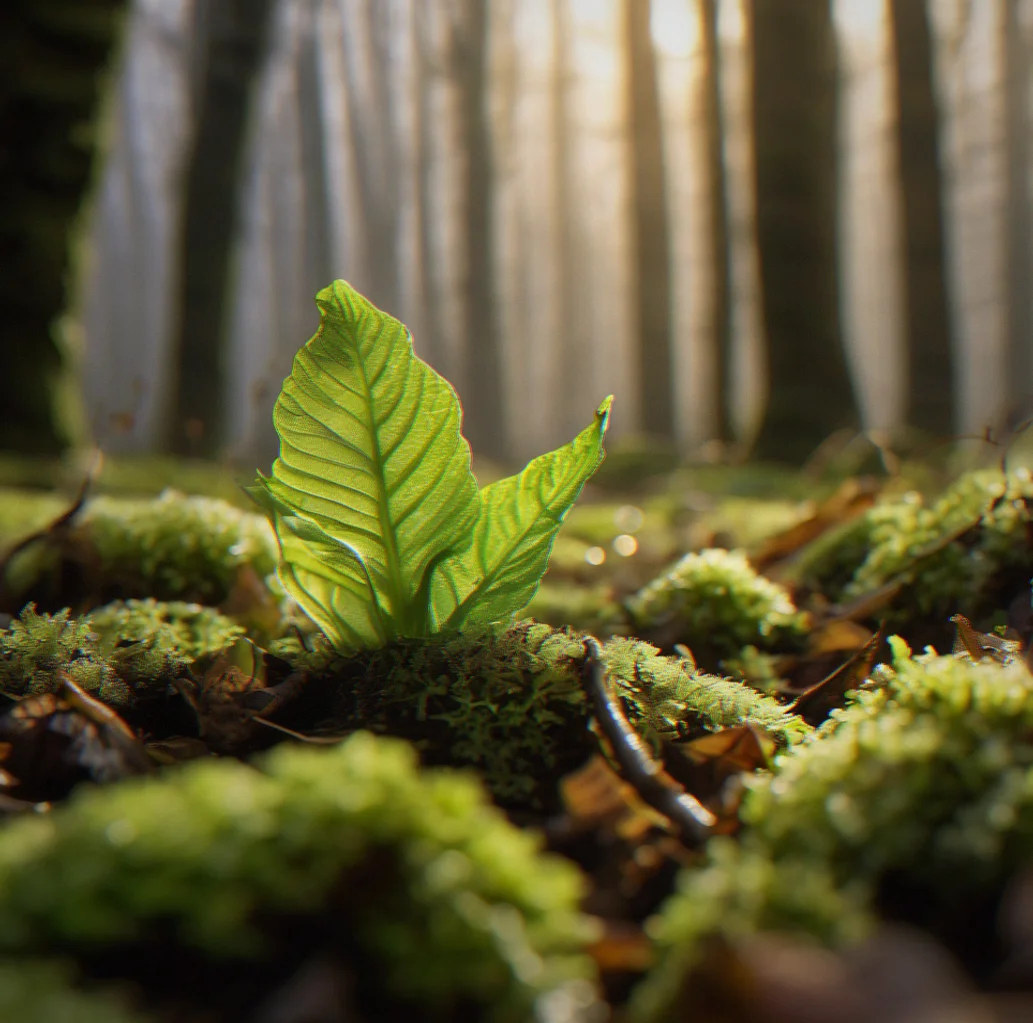
Spring when things emerge. Summer gets dense. Autumn brings color and seeds scatter. Winter goes quiet — and that matters. Tracking these over months keeps you anchored in real time. Your sleep, appetite and energy start responding to what's actually happening instead of fighting it.
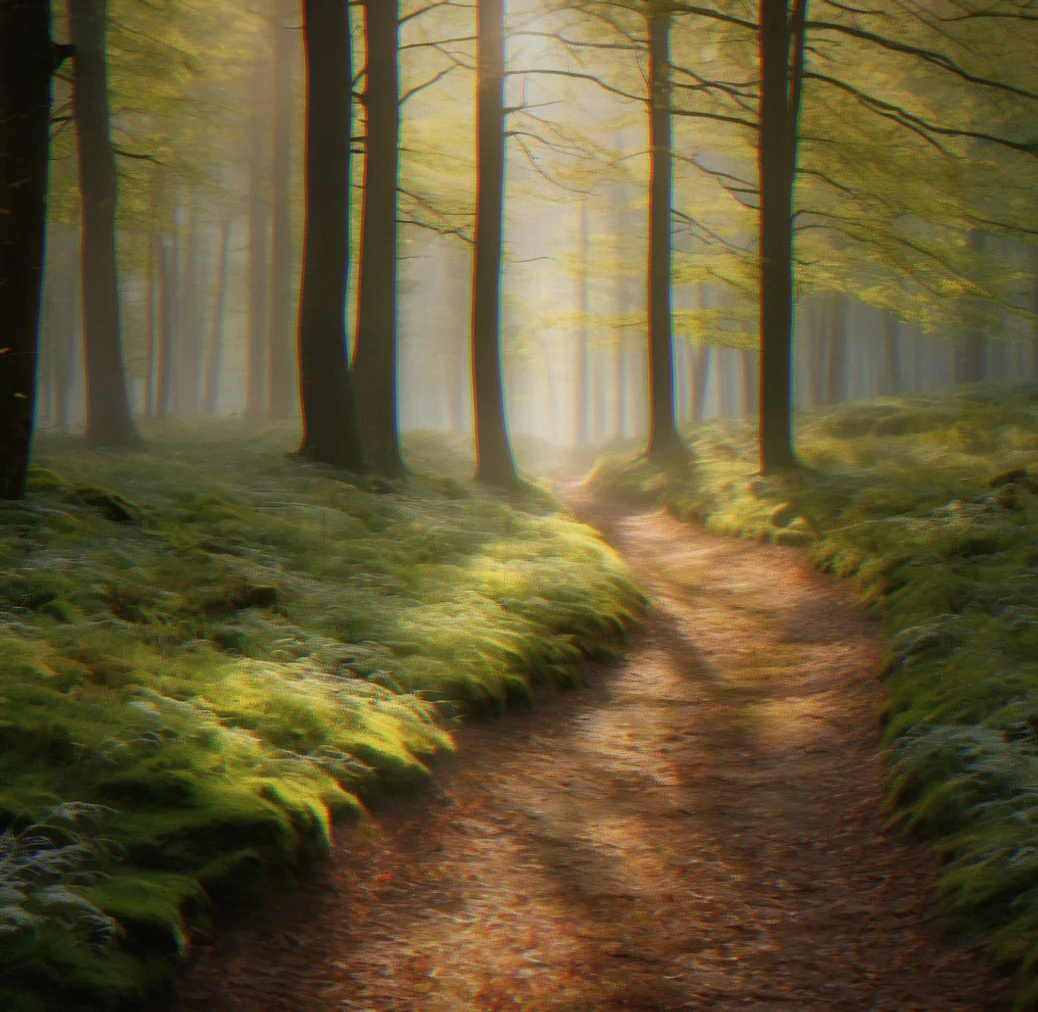
Screens break your attention into pieces. Nature in solitude puts it back together. After a handful of walks your nervous system stops treating quiet as emptiness. Stillness becomes something present. You need consistency though — one random walk won't do it.
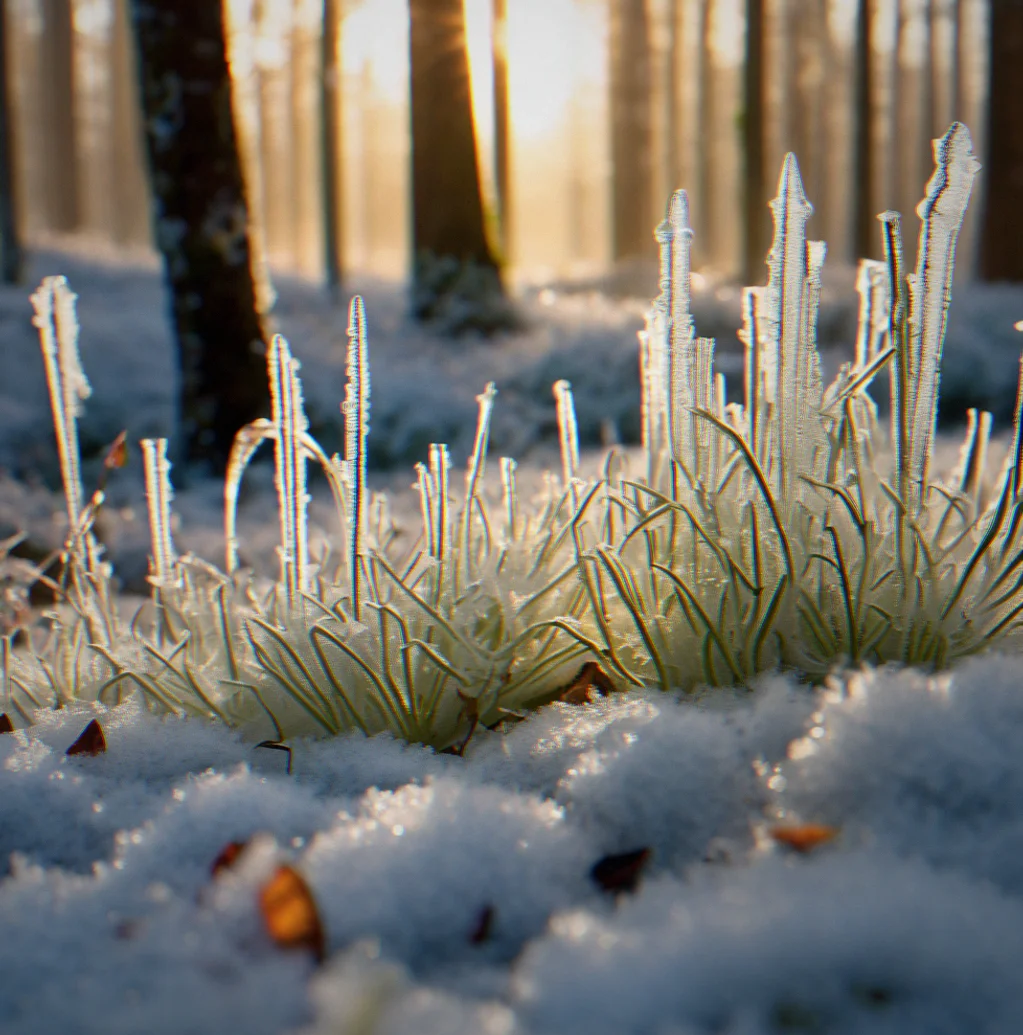
Not a journal entry. Not reflection. Just date, temperature, what you noticed. That simple act locks in what you're seeing. Three months of logging and you'll spot patterns you missed before — exactly when buds break, when frost comes back, how the light angle shifts week by week.
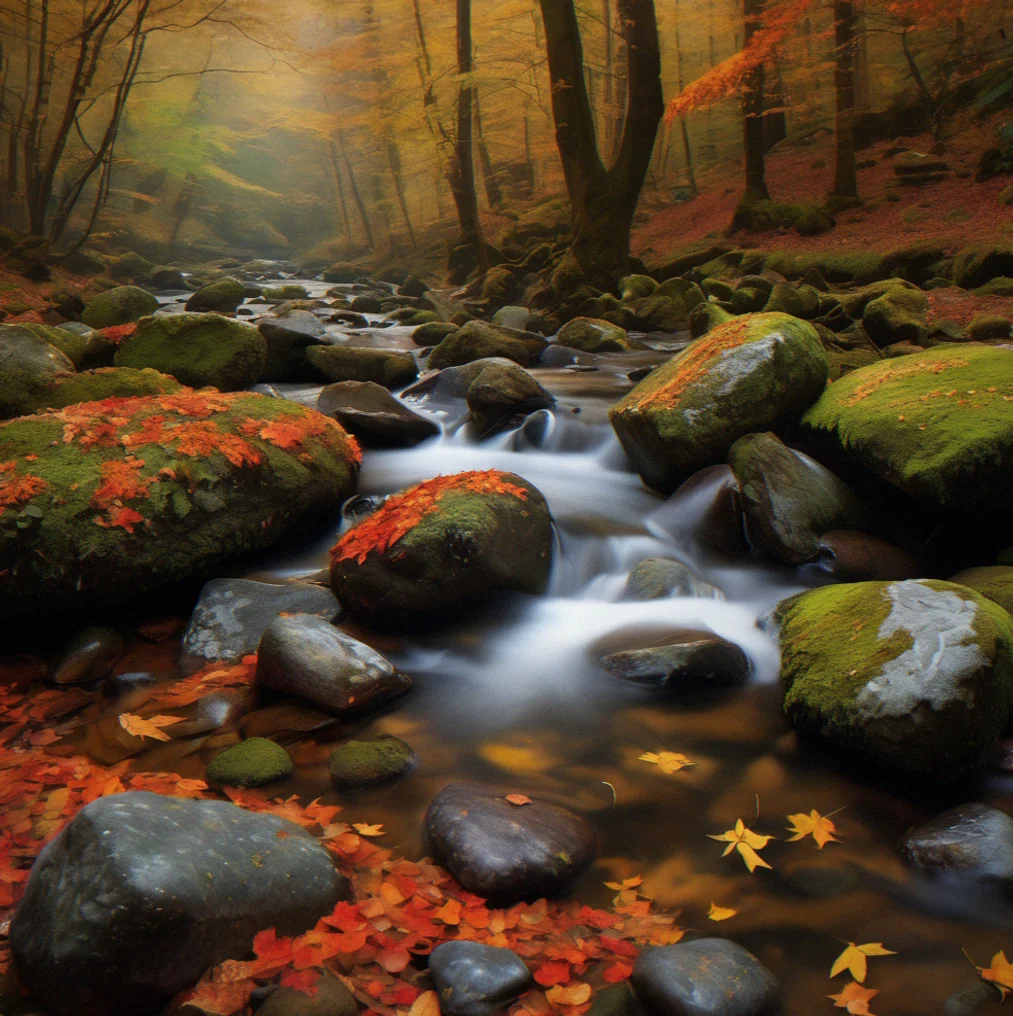
Same woods, season after season. Knowing the place makes you see more in it. You pick up what's changed, what stays the same, what shows up and disappears. That repetition is where it stops being just a walk and becomes something you actually commit to.
Common questions
People ask the same things. Here are the straight answers.
Not at all. You're already noticing texture, light, scent and pattern without any plant knowledge. If names matter to you later, you'll pick them up naturally. Right now moss on bark is more than enough.
Around two or three weeks if you keep at it regularly. Sleep usually improves first. After that your mind gets quieter. Don't wait for a breakthrough. You're looking for a shift, not a transformation.
Winter's actually better in some ways. Frost patterns reveal themselves. You learn something about stillness from dormancy. Cold clears your head immediately. Wear enough layers and go anyway.
Forests work best because of the phytoncides they release. Parks help but they're not the same thing. Find a wooded park within a 30-minute trip and go there weekly if you're stuck in the city. Early morning walks in quieter spots work anywhere though.
It does. Showing up regularly beats one long session. A quarter-hour walk four times a week outperforms an hour-and-a-half walk once a month. Your nervous system cares about the pattern, not how long you're out there.
No. You're actually moving, tracking specific sensations and watching how things shift season to season. Meditation keeps you still. This is slow attention while you're walking. They're completely different.
Got questions about the practice, when retreats are happening, or how to get started? Just tell us what's going on.
We actually read these and get back to you within two days. Matters in a practice like this.